What the critics say about the Terra Vegan manuals
We are not the only judges of these manuals. Here you will find the article by the baking teacher Sharmila Sengupta, from New Delhi, who tried a recipe from D10 in the kitchen, and the reviews by the American critic Anthony Avina, who has reviewed all forty volumes of the English edition of Terra Vegan by Nemo, one by one: all the texts are given in full.
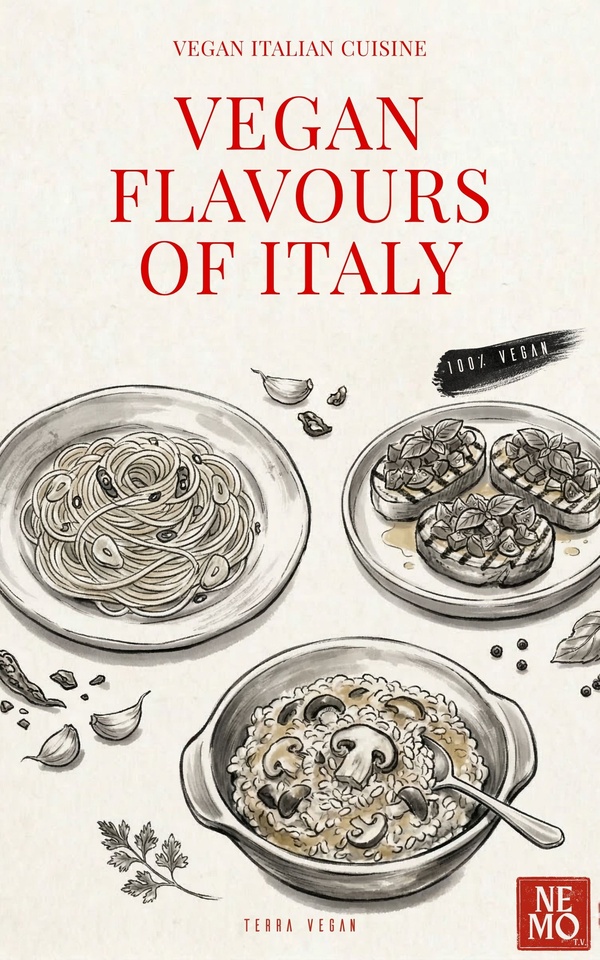
Vol. 1 · Vegan Flavours of Italy
This cookbook was fascinating and compelling. The author does a fantastic job capturing the heart and tradition of Italian cuisine while also exploring the history and need for vegan cooking in our modern world, as well as the various preparation methods and why certain ingredients interact in each recipe. The detail and variety of recipes came to life beautifully in this book.
But what really stood out was how the author developed and curated each recipe by grouping them into sections that fit not just a specific meal, but the natural flow of a meal in any Italian home or restaurant. From small nibbles and appetizers to big dinners or supper, each recipe added depth and a sense of heart and home that many associate with Italian cuisine. A personal favorite of mine opens the book with Mediterranean bruschetta, showing how simple, powerful, flavorful ingredients can come together without any meat-based products.
Thoughtfully curated, heartfelt, and engaging, author NEMO’s “Vegan Flavors of Italy” is a must-read cookbook and a great way to start off a fantastic series of reviews this month of this compelling series of vegan cookbooks centered around Italian cuisine. The depth of detail and the way these recipes were prepared complement the unique ingredients native to various regions in Italy and the commitment to veganism this cookbook promises.
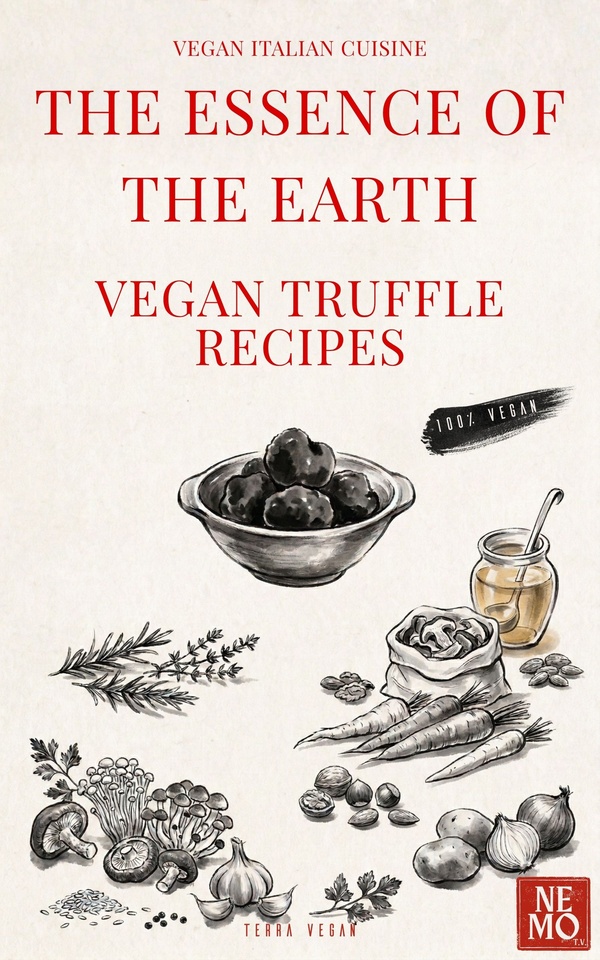
Vol. 2 · The Essence of the Earth: Vegan Truffle Recipes
This was a fantastic, insightful look at the many ways to incorporate truffles into everyday cuisine. These vegan recipes are inspired, and the depth of detail, and each recipe is perfectly balanced with the author’s ability to hone in on not only the ways in which the truffles are compatible with each recipe and the specific senses that will be triggered when consuming these recipes, but also pairs them perfectly with each season to get the most out of each truffle.
A standout moment in the book is how the author provides gluten-free alternatives for these recipes. While some may not recognize the need for gluten-free food, as it has become more trendy in recent years, as someone with family who has celiac disease, it is important that gluten-free food be more readily available, and the author’s attention to this detail is a welcome addition. One recipe that looked especially delicious was the mushroom and truffle burger; seeing how these vegan patties were prepared and how creamy the truffles were made it sound even more appealing.
Insightful, engaging, and delightful, “The Essence of the Earth” BY NEMO is a must-read Italian cuisine cookbook that emphasizes truffles. The vast number of recipes, as well as the way the author divides these recipes- not only by season and the specific truffles used with the recipe, but also by the types of recipes that these encompass, from finger foods to complex yet divine dinners, make this a great book to reference to use time and time again for anyone hoping to prepare authentic Italian cuisine using delicious vegan recipes.
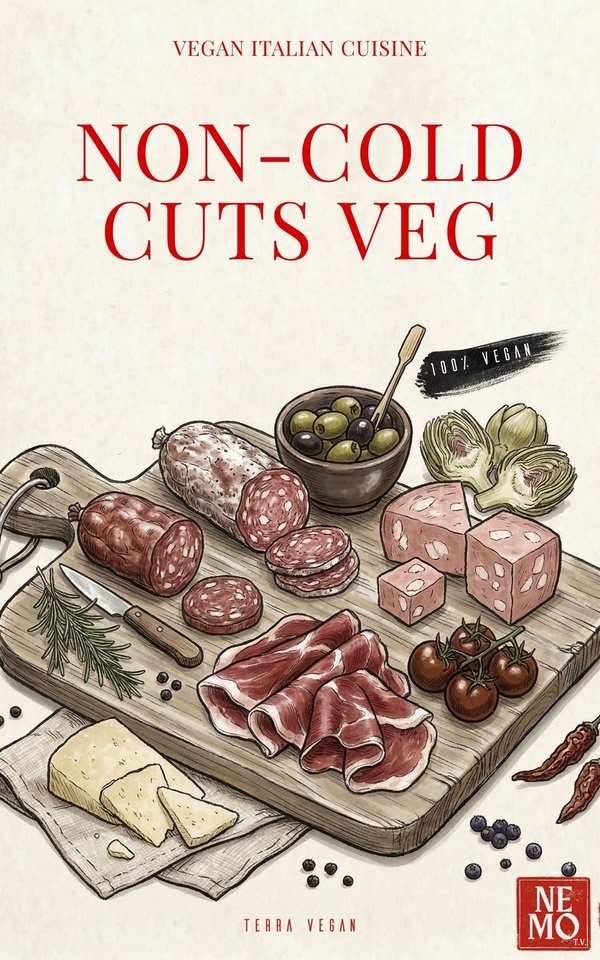
Vol. 3 · Non-Cold Cuts Veg
This was another fantastic vegan cookbook in this Italian vegan cuisine cookbook series. The author does a great job balancing the preparation of these vegan cold cuts with recipes for the various foods and meals they can be used in. The attention to detail and the author’s writing make it easy to return to this cookbook time and time again.
As a reader, my highlight was seeing the fascinating process of preparing these plant-based meats and how each one was transformed into an iconic cold cut. From the ways in which the plants were utilized for a thickening agent, to the use of smoke to add more meatiness, and the various spices that were used to help mimic the flavors of these cold cuts, the author was able to utilize a wide variety of different recipes for different types of vegan meats, including mortadella and Italian sausages.
Compelling, engaging, and insightful, Author Nemo’s “Non-Cold Cuts Veg” is a must-read Italian cuisine cookbook for vegans and those interested in vegan cuisine. The food preparation and attention to detail add depth to this unique cookbook on bringing meaty flavors to vegan cuisine, enticing readers interested in this style of cooking.
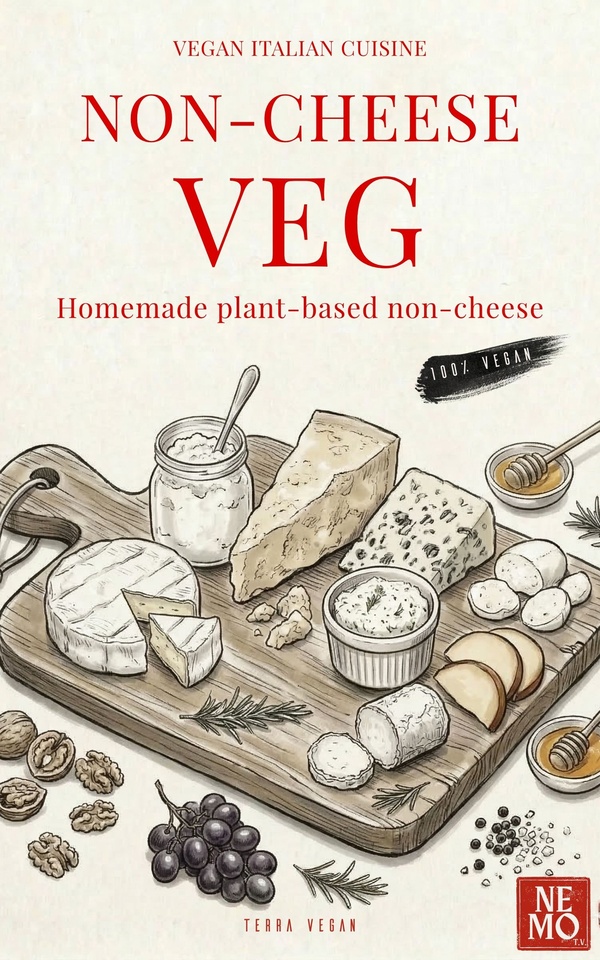
Vol. 4 · Non-Cheese Veg
This was an engaging and fun cookbook to get into. The author does a great job balancing the preparation and process of making vegan cheese while also exploring the many types of vegan cheese. Being able to see how everything from spreadable cheeses to aged cheeses and so much more is created, and the multitude of different cheeses themselves, was fascinating to see in these recipes.
What made this book special was how it showed how cheese is made. From the types of oils used as the base for creating this cheese to the fermentation process and how that is even used for items such as kombucha, and the process of aging this cheese was a unique process. The author goes into great detail and lets readers use these recipes to test the items for themselves.
Compelling, engaging, and creative, Author Nemos “Non-Cheese Veg” is a must-read non-fiction book on Italian cuisine and vegan cooking. This cookbook is detailed and engaging, lets readers reference it for several recipes, and offers insight into the entire process of crafting these vegan cheeses from scratch.
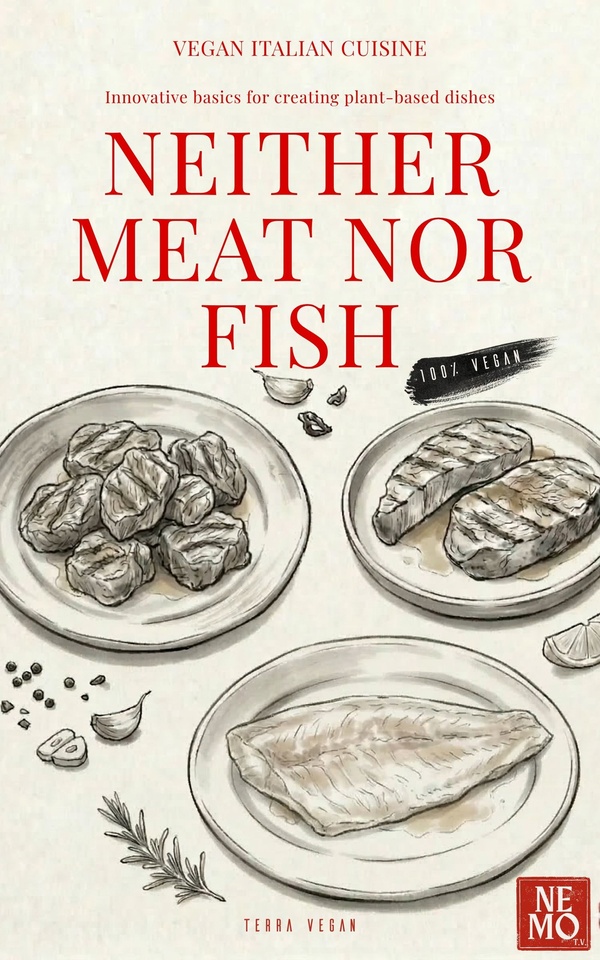
Vol. 5 · Neither Meat Nor Fish
This cookbook was compelling and engaging. The author does a fantastic job balancing unique recipes with the history and philosophy behind replacing meat with non-meat substitutes. The attention to detail and the honest, heartfelt way the author explores the subject matter will resonate with readers.
The heart of this book was how the author explored the history of non-meat options. The attention to detail is great, as the author considers not only what works now, but also the history behind failed attempts and why today’s non-meat options work the way they do. Pairing that with truly delicious recipes such as vegan lasagna, vegan meatballs, and hamburgers will help bridge the gap between those who really enjoy meat-based food and those interested in switching to vegan cooking while still keeping that Italian flair.
Thoughtful, engaging, and inspiring, Author Nemo’s “Neither Meat Nor Fish” is a must-read non-fiction cookbook. For those who enjoy learning about the history and philosophy of veganism, share an interest in Italian cuisine, and want to make delicious non-meat versions of their favorite recipes, this book will really resonate.
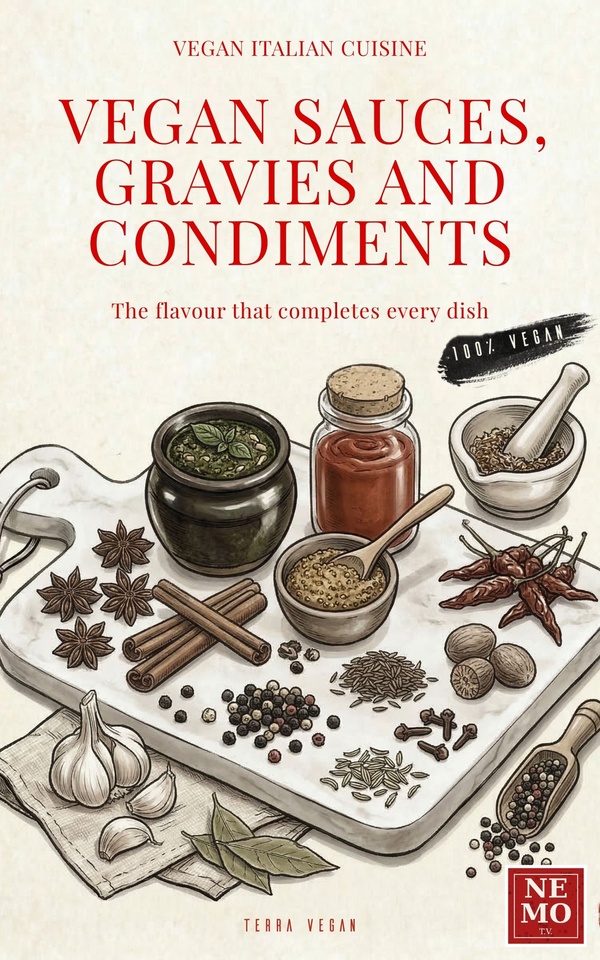
Vol. 6 · Vegan Sauces, Gravies and Condiments
This was yet another fantastic cookbook in this cookbook series. The author does a fantastic job balancing the techniques and methods for making these sauces from scratch with powerful, delicious-sounding recipes that anyone hoping to get into veganism will thoroughly enjoy. In particular, the author’s ability to hone in on how all flavors come naturally from the Earth, and on the transformative process of emulsification, gave readers a behind-the-scenes glimpse into what it takes to bring these recipes to life.
I also appreciated that the author brought these techniques to life and showed how respecting these ingredients brings flavor to the recipes, featuring fantastic sauces that left me eager to try them. In particular, a unique pesto made with sun-dried tomatoes and almonds sounded especially delicious. These recipes engage the reader and offer great references to return to time and time again.
Compelling, informative, and engaging, Author NEMO’s “Vegan Sauces, Gravies and Condiments” is a must-read cookbook for anyone interested in vegan cooking and Italian cuisine. The way the author is able to tie this unique exploration of ingredients that are natural in the world, but especially in Italy, and utilize them for delicious sauces and dips of any kind makes this a fantastic book for readers looking to get into this kind of cooking.
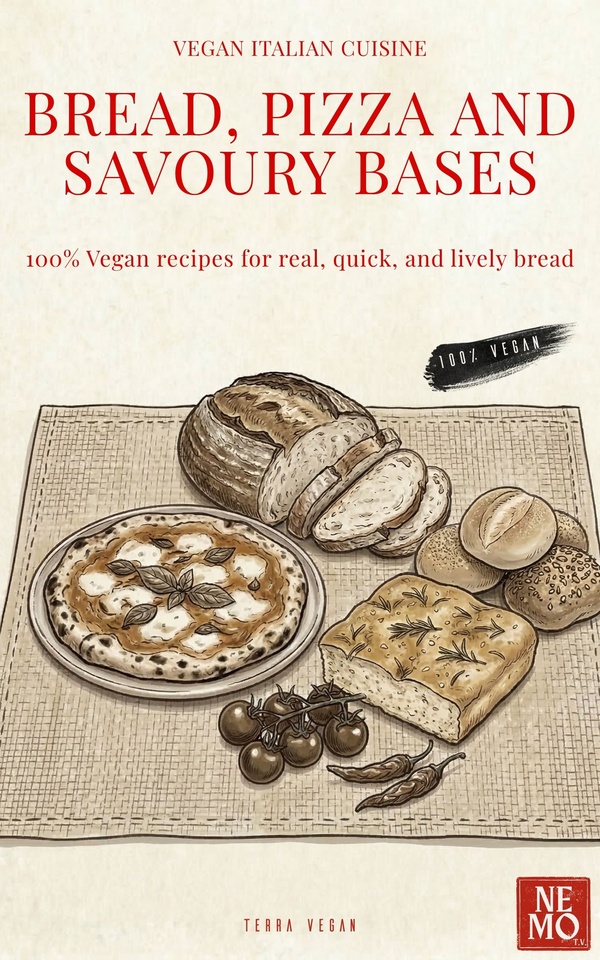
Vol. 7 · Bread, Pizza and Savoury Bases
This was yet another compelling cookbook in this vegan cookbook series. The author connects readers who may never have cooked vegan food before with the artistry and heartfelt connection many people have with baking bread; it is astonishing. The author also does a fantastic job of honing in on why baking bread is so revered by so many people, as it’s not only a point of nostalgia but a point of survival and hope throughout human history, allowing people to connect with nature on Earth through the ingredients and the physical act of kneading dough, which throughout history has often been the line between going hungry and surviving.
This heartfelt connection to baking bread is perfectly balanced with the many recipes readers can find in this book. The author clearly describes and uses vegan recipes and ingredients for each recipe in the book, including focaccia bread, a personal favorite Italian bread of this reader.
A great reference for making high-quality Italian-based breads with high-quality vegan ingredients, Author Nemo’s “Bread, Pizza and Savory Bases” is a must-read vegan cookbook. It features many fantastic recipes and uses several vegan ingredients, plus a rich history of making bread that surpasses vegan Italian cuisine and speaks to the heart of many cultures’ ability to learn and cook great food.
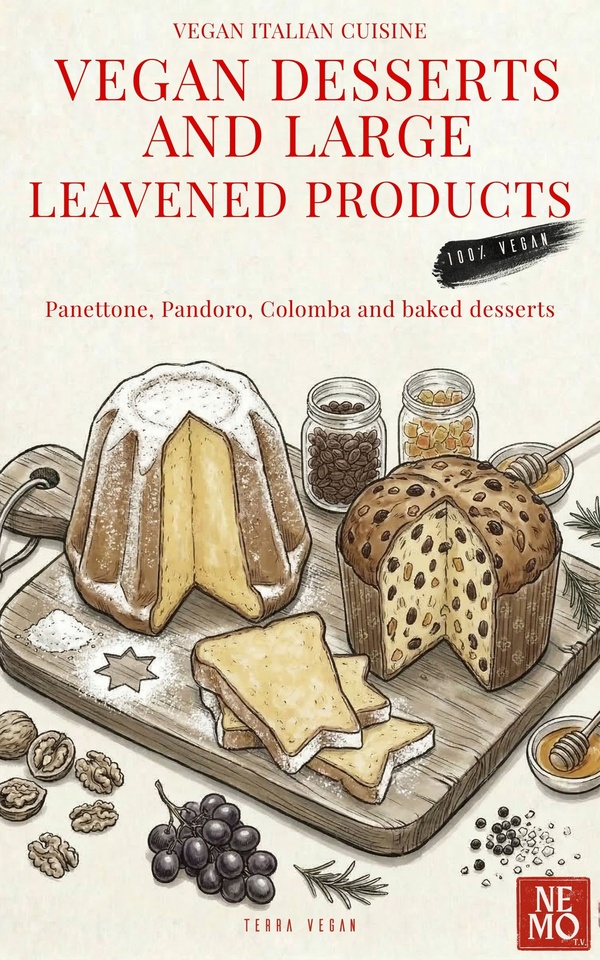
Vol. 8 · Vegan Desserts and Large Leavened Products
This was a much quicker, yet richer, Italian vegan cookbook. The focus on sweet and delicious desserts was a great break from the amazing savory recipes this series has offered so far. The author does a great job highlighting ingredients that forgo eggs, dairy, and other ingredients, instead focusing on strong vegan replacements that keep the powerful flavors people expect from these amazing recipes.
The author brings these recipes to life succinctly and expertly. The book is divided into four equal sections, from breads and cakes to biscuits and other pastries, plus solid bases for other desserts. One personal favorite I had never heard of before was sweet focaccia bread, combining one of my favorite Italian breads with a dessert twist that sounds absolutely delicious.
A fast-paced, great reference book for those looking to make delicious vegan Italian desserts, Author Nemo’s “Vegan Desserts and Large Leavened Products” is a must-read Italian cuisine dessert cookbook for those who love vegan cooking. The rich, delicious recipes in this cookbook will resonate with dessert lovers and keep readers coming back to discover new and exciting vegan recipes.
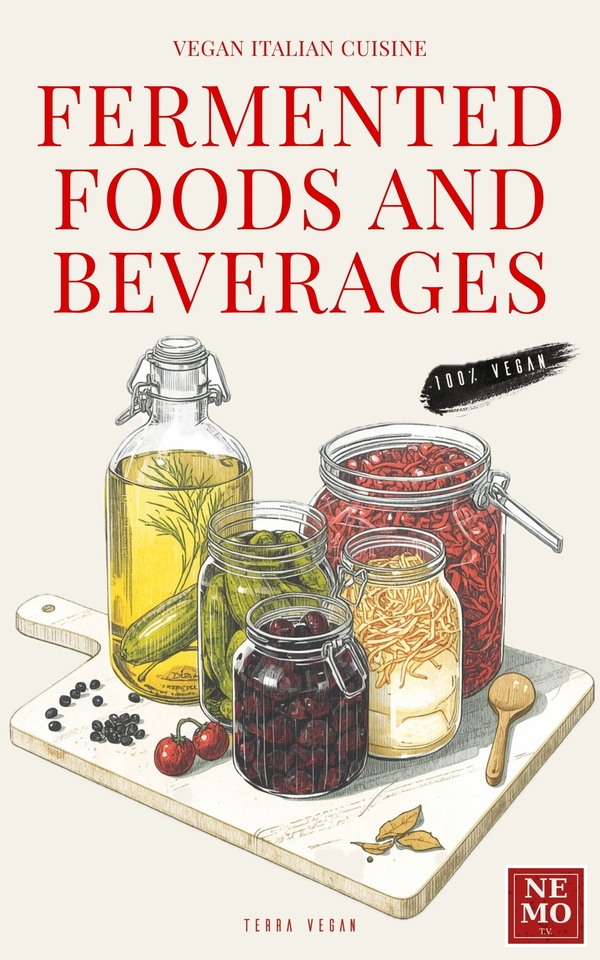
Vol. 9 · Fermented Foods and Beverages
This is another fast-paced, concise look at vegan cooking for those who want to understand and start fermenting their own drinks and sauces. The recipes in this book are unique not only for their deliciousness, but also for their scientific approach, as the author clearly explains the fermentation process. From choosing the right containers for fermenting these recipes to understanding the right temperatures for the process and more, the book provides detailed analysis of fermentation so readers can understand how these recipes work.
After understanding the science behind fermentation and the process for each recipe, readers can make amazing drinks and fantastic sauces for individual enjoyment and for use in other vegan recipes. A personal favorite in this book was one of the last recipes: fermented chili paste, which adds spice and heat to other recipes for extra flavor.
A science-driven, delicious collection of fermented vegan drinks and sauces, Author Nemo’s “Fermented Foods and Beverages” is a must-read Italian-cuisine vegan cookbook. The detail and knowledge the author imparts about fermentation, along with delicious recipes that showcase the process, will keep readers returning to reference this book time and time again.
Vol. 10 · Koji: Production and Applications
This was the most unique and engaging cookbook in this series to date. The author does an incredible job crafting and curating a healthy balance of history and science when exploring this specific mould. Rather than focusing on specific recipes, the author takes time to highlight how this mould was used in Japan and how it has translated into our modern world, as well as the science of how the mould works and how it needs to be prepared.
The author does a great job breaking down the entire process of making Kome-Koji, from selecting and washing the right rice to the incubation timeline and stabilization during drying. The recipes found in this book are unique, exploring how Kome-Koji is used for Koji Water and Koji Paste, as well as fresh Koji and Amazake, and laying the foundation for future books in this series as Koji becomes the base of future topics.
Interesting, engaging, and memorable, author NEMO’s “Koji: Production and Applications” is a must-read nonfiction cookbook for vegan Italian cuisine. The book’s unique balance of history and biology, and its scientific process for bringing this base to life for future recipes, make for a remarkable read that pushes readers to better understand the ingredients they put into their bodies and what the natural world creates.
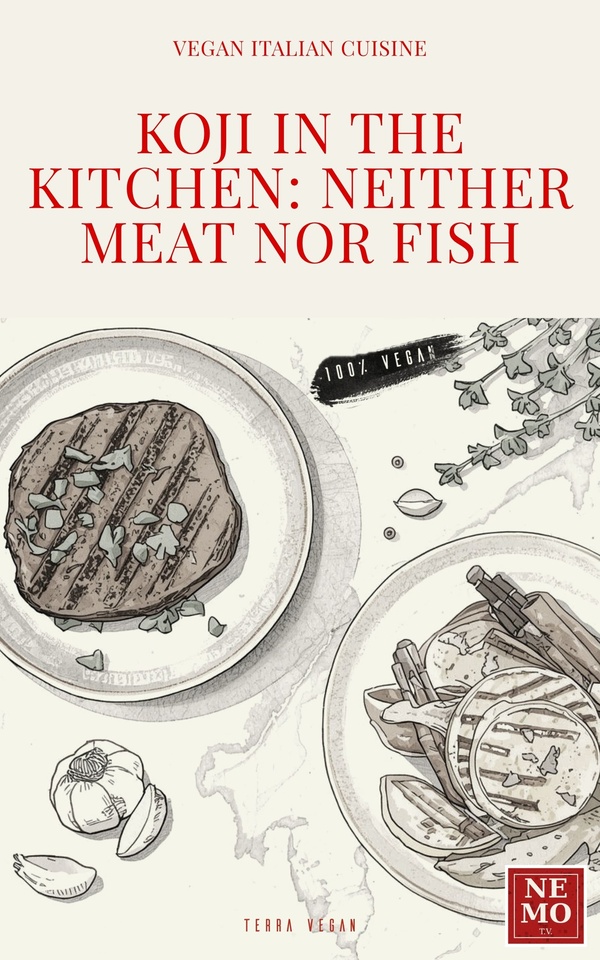
Vol. 11 · Koji in the Kitchen: Neither Meat nor Fish
This cookbook was insightful and engaging. The authors’ continued focus on Koji and how it can be utilized for vegan cuisine moved on from the pure scientific exploration in history that was found in volume 10 of the series, and instead put this unique process and ingredient to use, informing powerful bases and using those bases to form delicious ingredients in foods that people can prepare themselves. The author also highlights issues that can arise if the process isn’t done precisely, and the book helps readers troubleshoot the process so they can use this ingredient themselves.
The book also brings readers back to developing delicious recipes. Using this process, Koji makes many amazing recipes, including one of this reader’s personal favorites: meatballs and burgers, and the unique process of developing a red-meat base makes this recipe even more intriguing.
Engaging, insightful, and unique, Author Nemo’s “Koji in the Kitchen” is a must-read non-fiction vegan Italian cuisine cookbook. Getting to explore the ingredients and practices involving Koji and allowing readers to be able to put this into practice for more delicious recipes expands upon people’s understanding of natural and delicious vegan cooking in a unique way that many do not fully understand themselves, and the Author perfectly crafts this cookbook to speak to general audiences everywhere.
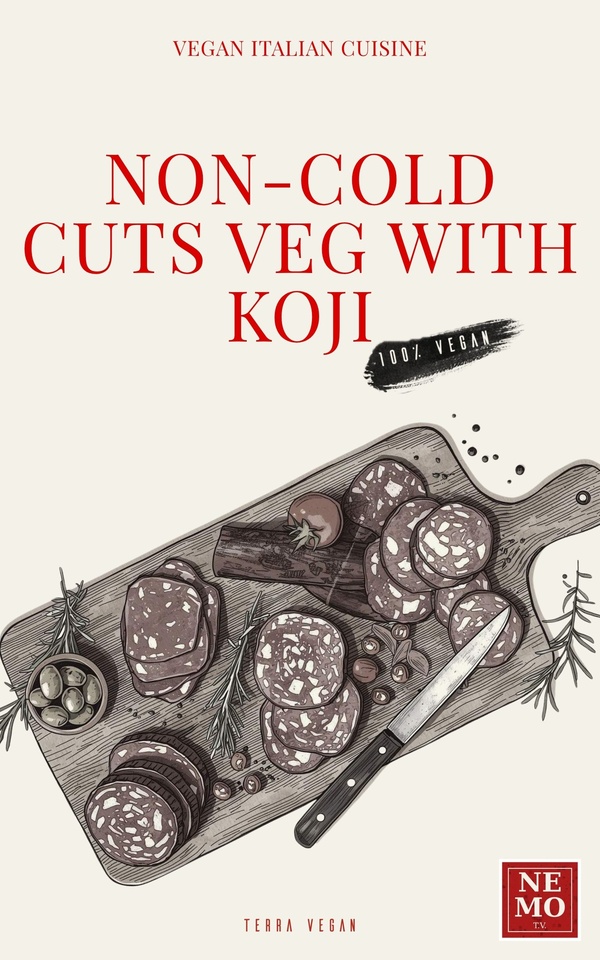
Vol. 12 · Non-Cold Cuts Veg with Koji
This was such a fascinating and engaging entry in this vegan cookbook series. Cold cuts and charcuterie boards are among the oldest traditions, especially in American culture and worldwide, and finding ways to mimic that process is a unique challenge for those developing plant-based meat options. The Author does a great job balancing the recipe portion of the book with a strong emphasis on the ingredients and processes that make these plant-based meats taste as flavorful as they do.
The process of using koji to give these plant-based meats an aged taste was fascinating to read about. The exploration of gluten and flour, in conjunction with Koji, to transform the product into something reminiscent of cold cuts and cured meats was well documented and clearly explained by the author. The author walks readers through the curing process and shows finished products on the page, including a recipe for hand-rolled pancetta using Koji.
Thoughtfully written, engaging, and insightful, Author Nemo’s “Non-Cold Cuts Veg with Koji” is a must-read non-fiction cookbook and deep dive into vegan Italian cuisine. It explains the science behind creating these plant-based meats and how to make them taste like meat. They are meant to replicate meat, and walking through the process so readers can do it at home puts more emphasis on Koji as a product.
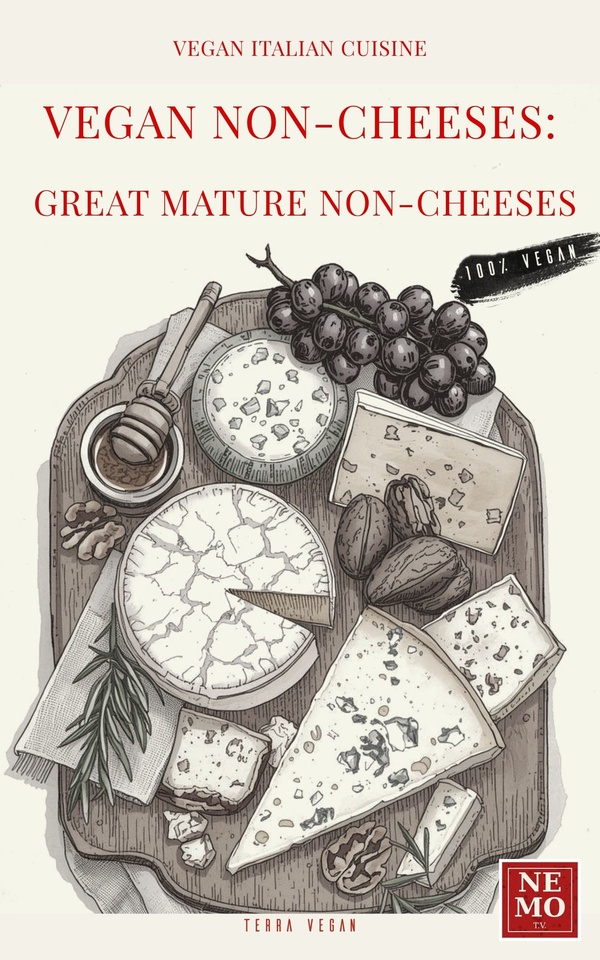
Vol. 13 · Vegan Non-Cheeses: Great Mature Non-Cheeses
Another fantastic entry in this vegan cookbook series, this book took an interesting turn as it explored the three noble molds that form the basis of vegan cheeses. One aspect of this book that was really intriguing was seeing how much time and patience this process takes. The book documented the depth of detail and exploration of each mold and how it behaves.
The author spared no detail in crafting this book, not only with regard to the three molds, but also the various chambers that these molds have to grow in and the conditions that need to be met for them to succeed week by week, and even the various spices and ingredients that can help enhance the flavor of the cheeses as they mature, creating beautiful wheels of cheese to mimic dairy-based products using plant-based ingredients.
Thoughtful, detailed, and engaging, Author Nemo‘s “Vegan Non-Cheeses” is a must-read vegan Italian cookbook for fans of nonfiction cookbooks. The intricate recipes and delicate procedures the author outlines, along with the straightforward writing, let readers put them into practice.
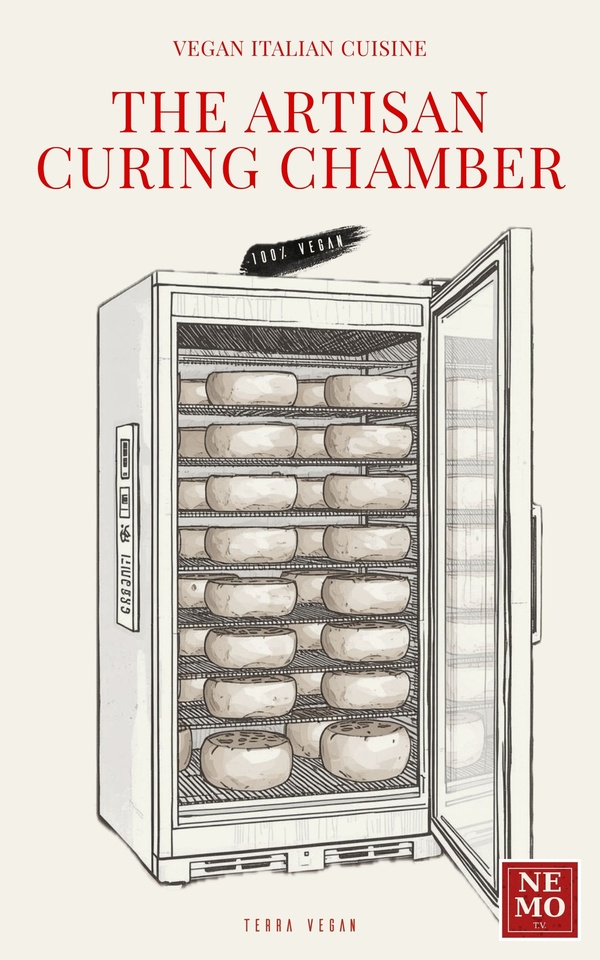
Vol. 14 · The Artisan Curing Chamber
This book adds a unique and compelling new entry into this cookbook series. Rather than focusing on specific recipes, this book focuses on the specs and preparation needed to make the equipment that will help generate recipes for these vegan meats and cheeses using this Koji product. The author provides in-depth detail on the equipment needed to cure these meats and other products, and does so in a succinct, matter-of-fact way that helps readers fully understand the process needed to make this a reality.
The detail the author provides is fantastic, as it lets the reader understand not only the materials needed to build these curing chambers, but also how each product makes the chamber function and what it does for the ingredients used to cure these vegan products. The book also goes into depth on why vegan meats and vegan cheeses should be cured separately and what happens if they aren’t, emphasizing how intricately detailed and vital it is to understand these products as a whole.
Compelling, thought-provoking, and engaging, Author Nemo’s “The Artisan Curing Chamber” is a must-read guide and manual for building home vegan curing chambers, and an in-depth non-fiction read for those who enjoy vegan cookbooks. The insight and knowledge readers gain from this book not only wrap up the series of books that delve into Koji, but also lay the foundation for building better vegan ingredients for vegan cooking overall.
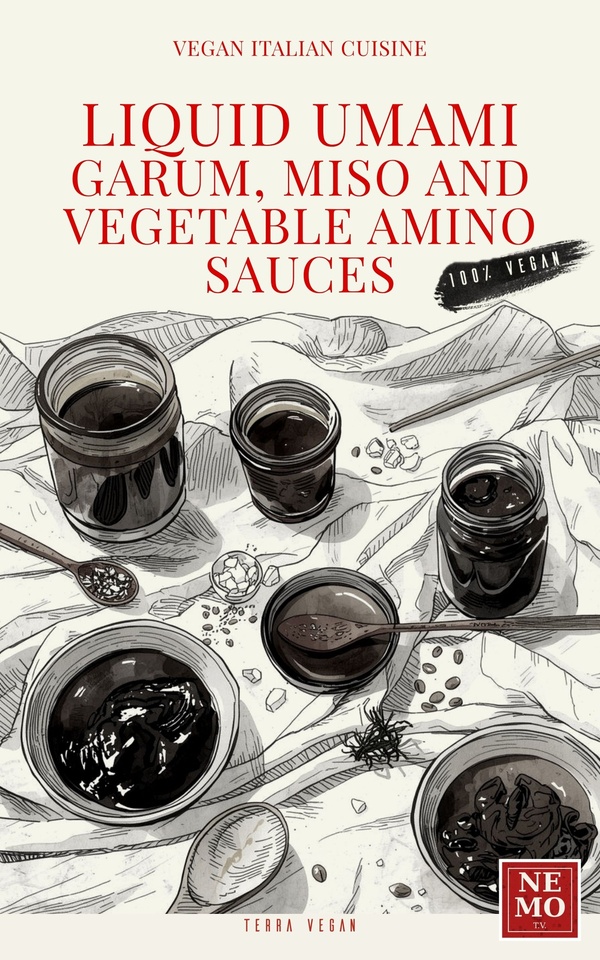
Vol. 15 · Liquid Umami: Garum, Miso and Vegetable Amino Sauces
This was a unique and compelling entry in this cookbook series. The author does a phenomenal job of capturing the essence and science behind the flavors and function of umami vegan products such as miso and others. The way each chapter not only focuses on the differences between solid and liquid fermentation when it comes to Koji, but the way that the author also incorporates the history behind these products, such as vegetable garum and its profound use throughout Mediterranean history, allows the reader to fully grasp the power of these natural ingredients and the ways in which they can be manipulated and used to bring even more flavor to these vegan recipes.
Rather than traditional or complex recipes, this lengthy read focuses on how these products can be used with already made recipes. One chapter in particular highlighted using miso with non-cured vegan meats, mixing it with olive oil and Szechuan pepper to add depth of flavor instead of standard dipping sauces. These are the kinds of insights readers can gain as they learn how to incorporate umami into these recipes.
Thoughtfully curated, engaging, and memorable, Author Nemo’s “Liquid Umami” is a must-read non-fiction vegan cookbook. This book is incredibly detailed and helps readers to fully and more expertly understand the need to infuse flavor into these recipes and what each product does to bring out their specific flavorings, balancing this with Xentix processes like fermentation and rich histories behind these products that allow readers to have a better appreciation when delving into vegan cooking.
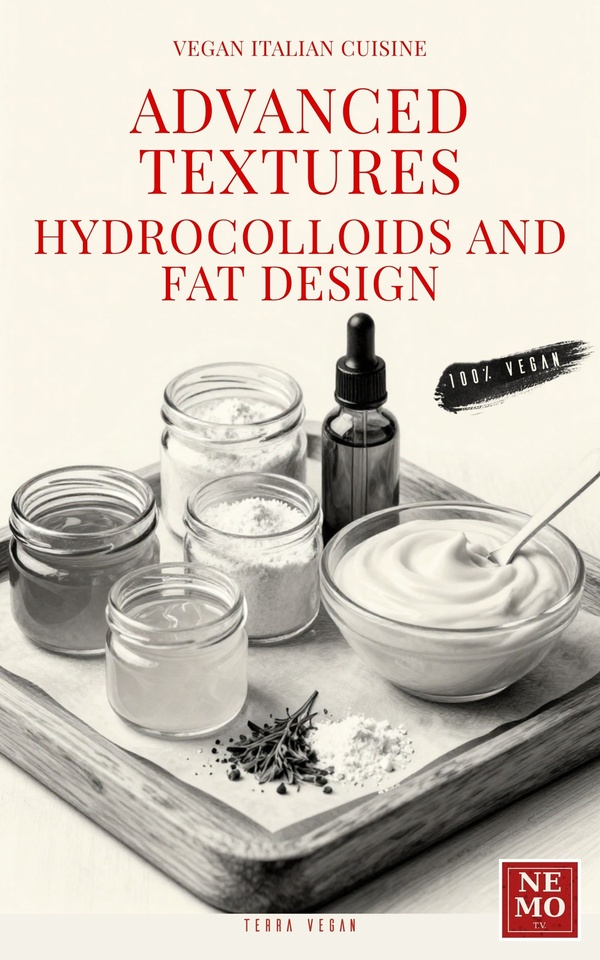
Vol. 16 · Advanced Textures: Hydrocolloids and Fat Design
This was a unique and fantastic entry in this vegan cookbook series. Stepping away from a focus on flavors and flavor techniques, the Author took time to focus on something rarely discussed in cookbooks as much as flavor: texture. To make vegan meats, cheeses, sauces, and more, you need to understand texture and get it right.
The author provides a healthy balance of scientific definition and practice for the materials used and the different textures. Each product covers everything from using xanthan gum to whether a sauce has the right viscosity, with practical applications that highlight how texture shapes recipes. The attention to detail and the knowledge readers gain from the author’s work in this book bring an even firmer understanding of vegan cuisine as a whole.
Thoughtful, insightful, and engaging, Author Nemo’s “Advanced Textures” is a must-read non-fiction vegan cookbook that emphasizes texture and ingredients. The author puts these ingredients and ideas into practice to help readers understand not only how a product tastes and feels, but also the ingredients themselves and how they interact to create the textures needed to mimic meats, cheeses, sauces, and more.
Vol. 17 · Pure Enzymes: Transglutaminase, Proteases and Hydrolysis
This was a detailed, scientifically driven look into the world of vegan cooking. The Author does a fantastic job specifying the reactions and uses of specific enzymes in vegan cooking, rather than the random enzymes found through the use of Koji. This knowledge is invaluable, as it highlights the care and attention to detail modern vegan cooking requires to produce these delicious, flavorful recipes.
The book offers deep insights into the specific enzymes used in this type of cooking, and more specifically, the parameters that must be met when developing them. The book also offers deeper insights into the practical applications of these enzymes in the recipes found in previous books, and touches upon everything from dosage and elasticity to storage and how to utilize other products with these enzymes.
Deeply scientific, engaging, and insightful, Author Nemo’s “Pure Enzymes” is a must-read non-fiction cookbook for vegan cuisine. The knowledge and practicality the author brings to discussing enzymes, the different types of enzymes, and the step-by-step process for bringing these ingredients to life make learning vegan cuisine structured and fascinating.
Vol. 18 · Artisanal Smoking: Cold, Hot, and Liquid Smoke
This book offers fascinating, unique insight into a powerful cooking method for vegan cuisine. Delving into the history and unique properties that smoking can have on food was fascinating to read about and allowed the reader to understand why chefs use smokers so often when cooking meats and other products. The level of detail the author goes into is astounding; they not only explore that history, but also spend chapters examining the properties of smoke itself, the various types of wood used for smoking, and how they affect the food being cooked.
Balancing out those chapters is an in-depth study of building a smoker for your home within the parameters you need for both cold and hot foods when smoking. Understanding how the smoker works and how non-cold cut vegan meats and aged cheeses will take on those smoky properties allows the reader to be able to infuse their vegan recipes from previous chapters with a smoky quality that is impossible to ignore.
Insightful, knowledgeable, and engaging, Author Nemo‘s “Artisanal Smoking” is a must-read non-fiction vegan cookbook. The depth of study the author brings to the art of smoking meats and cheeses, and the various types of wood and smokers that can bring these unique flavors to life in the products themselves, will keep readers learning about vegan cuisine and referencing this book time and time again.
Vol. 19 · Scientific Safety: Metrology and Home Microbiology
One aspect of cookbooks that people rarely touch upon that this one does a great job of, is honing in on the process and the need to understand safety in the kitchen. Not only is safety with various cooking equipment vital, but making sure the food that is consumed is safe to eat is equally important, and when developing vegan cheeses and other recipes, it is so crucial to understand that the proper parameters surrounding the development of these foods need to be followed to the letter so that the final product is safe enough to consume.
The author uses this book to break down the need for food safety and how that safety is measured. Measuring both pH levels and water retention, the author breaks down how each of these is properly measured by you as you cook, what you need to look for when testing these products, the proper tools that need to be utilized to test the safety of these foods, and finally the protocols that need to be followed, broken down by food type, from fermented foods in vegan meats and cheeses to sauces and so much more.
Compelling, insightful, and engaging, Author Nemo’s “Scientific Safety” is a must-read non-fiction vegan cookbook. The detail and knowledge readers gain from the author’s work on food safety in this book are impressive. Safety is vital, and it helps newcomers to vegan cooking understand what goes into these products and how safety is measured when developing these recipes.
Vol. 20 · Zero Waste: Recycling of Production Waste
Another fantastic entry in the vegan cookbook series, the author perfectly captures the need to make every ounce of the products used feel like it’s actually being used. The book highlights the need to identify waste from the materials and processes in previous books, such as the use of Koji and fermented items, and to find uses for that waste in other areas. The author’s straightforward writing lets the reader view the process scientifically while also feeling the passion and respect for the Earth and nature from which these products come, which helps the reader appreciate these items more.
The balance the Author found after identifying where this could be found was great to see come to life on the page. Well, some ways can be repurposed and utilized in other preparation techniques and even recipes for which there are entire chapters dedicated to it, in other ways, this way can be used as fertilizer or other material to help grow and repurpose these products to make new products, highlighting a circle-of-life moment that shows everything has a purpose.
Thoughtful, memorable, and engaging, Author Nemo‘s “Zero Waste” is a must-read entry in this vegan cookbook series. Readers with an interest in vegan cooking and learning the scientific processes for making these recipes, as well as readers who enjoy non-fiction books as a whole, will be fascinated and invested in the author’s work and will see how the previous entries in the series all come together to highlight how nothing created or formed needs to be wasted.
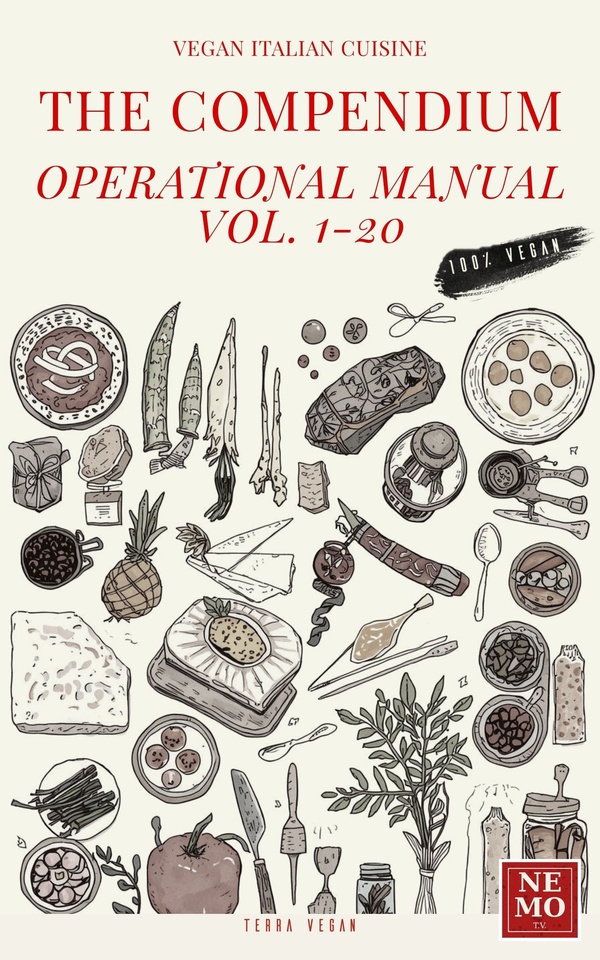
Vol. 21 · The Compendium: Operational Manual Vol. 1-20
This is the ultimate reference guide and companion book for putting the lessons and recipes from the previous 20 volumes to work. The author notes that instead of repurposing previous books into a single guide with all the history and explanations those books included, the book divides chapters by product family rather than by the volumes they come from.
This lets readers pick and choose based on where they are in their vegan cooking and how they want to approach different topics. The references to zero waste in the last book are peppered throughout each chapter to show how each product family uses the waste it produces. By exploring product families, such as non-cold cuts, and highlighting everything from the building of a curing chamber to the rice and Aspergillus oryzae base known as Koji and the recipes previous books touched upon, readers are able to really see the full path of production they need to take in order to make these recipes come to life.
Compelling, interesting, and engaging, Author Nemo’s “The Compendium” is a must-read entry in this vegan cooking series. As the ultimate reference guide to volumes 1 through 20 of this vegan cookbook series, it gives readers an in-depth, meticulous process for bringing these ingredients, recipes, and tools to life in their own kitchens.
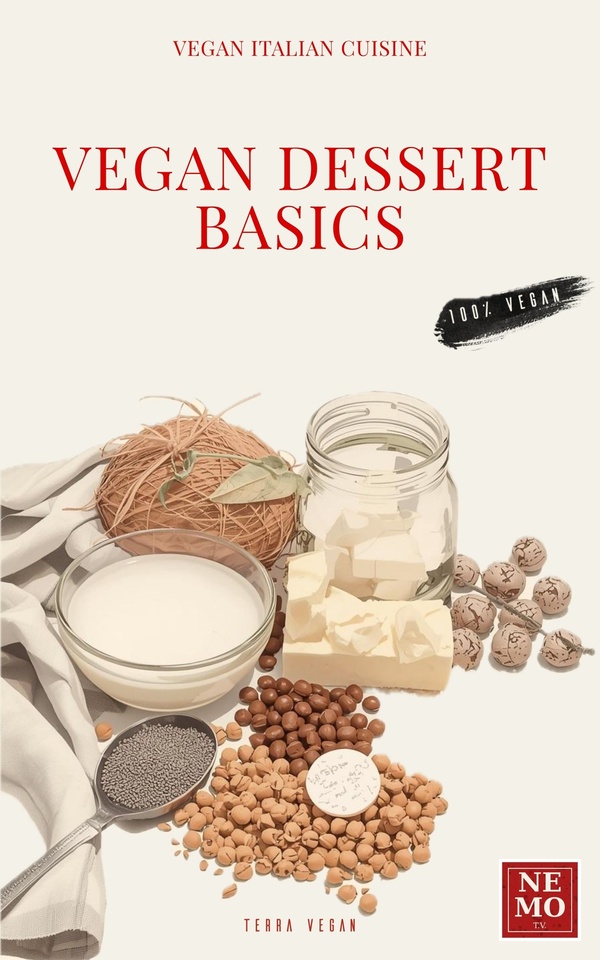
D1 · Vegan Dessert Basics
This cookbook series entry was insightful and engaging. Vegan cooking, especially vegan baking, is an intricate, specialized style, and replicating familiar flavors and specific items requires understanding the ingredients and why they behave the way they do. The author uses clear, concise writing to analyze these products in detail and explain why they replace eggs, butter, and other non-vegan ingredients.
The book is a great starting point for understanding the foundations of vegan baking. The author explores how the ingredients replace well-known products like eggs and butter, how they react to specific temperatures, and why they mimic flavors and act as catalysts in specific recipes. Providing a solid foundation is essential for building a reference guide readers can return to time and again to understand how these recipes come together, and what to change if something doesn’t come together correctly.
Compelling, inviting, and engaging, Author Nemo‘s “Vegan Desserts Basics” is the most recent non-fiction cookbook on vegan baking. Readers will gain insights into specific ingredients, such as replacing butter with cocoa butter and similar alternatives, and an easy reference guide to help them understand future volumes in the series.
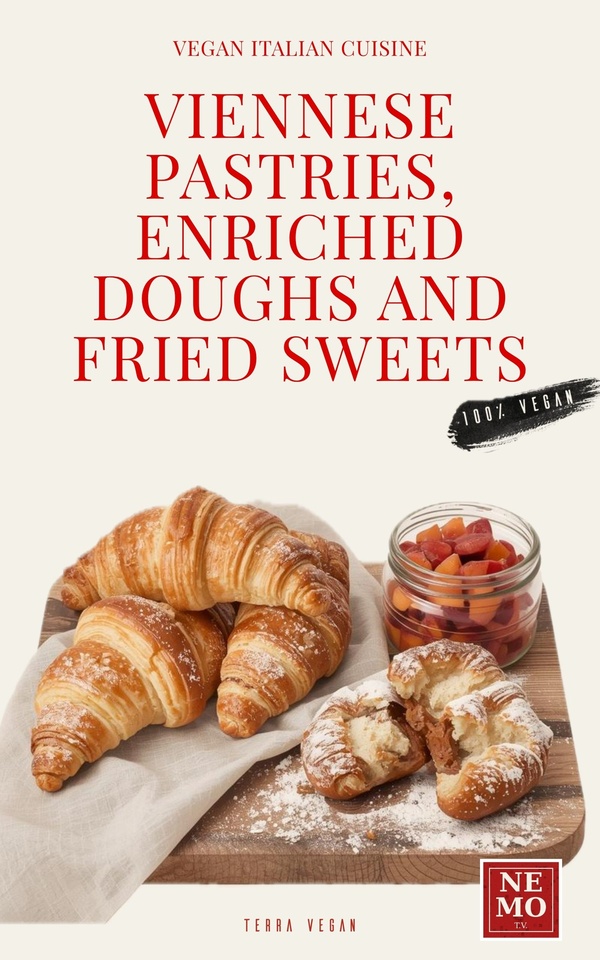
D2 · Viennese Pastries, Enriched Doughs and Fried Sweets
This fan favorite is a compelling entry in this cookbook series’ vegan baking section. The level of detail the Author provides on the lamination process in vegan baking, from the specific melting point that vegan base plant fat needs to melt to the specific timeframe readers should expect the lamination process to take and so much more, allows readers to gain a better insight into the processes behind some of their favorite baked goods.
The balance the author strikes with this book’s detail shows in how they tackle so many prolific and beloved recipes. From danishes and croissants to sourdough bread made from scratch with plant-based ingredients, this book offers a plethora of strong, delicious vegan recipes that readers new to vegan baking will flock to.
Compelling, enriching, and memorable, Author Nemo’s “Viennese Pastries, Enriched Doughs and Fried Sweets” is a must-read non-fiction cookbook for those looking to continue their study of pure, vegan baking. Readers will enjoy mouthwatering recipes and insights into how these ingredients react with one another as they bring these delicious baked goods to life.
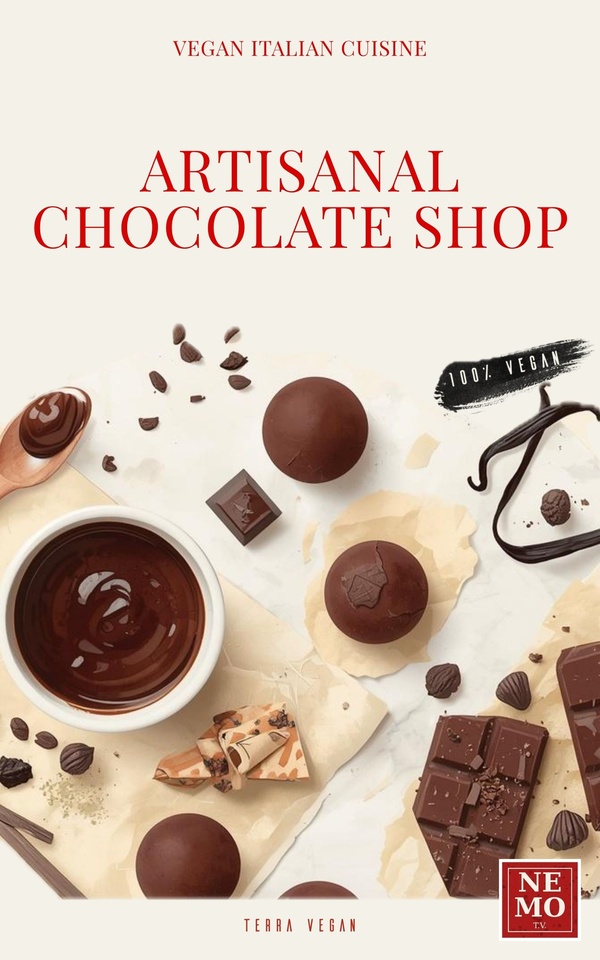
D3 · Artisanal Chocolate Making
As with the previous two entries in this baking series within the Main vegan cookbook series, we’ve explored one aspect of baking over the past year that is always intriguing and even more important in vegan cooking: patience. Bringing these beloved desserts to life takes patience, and in vegan chocolates especially, mastering it has never been more crucial.
The author explores the rich history of dark chocolate as a naturally vegan chocolate, while also delving into the art of tempering chocolate and the ingredients that bring milk and white chocolate to life for plant-based cooking. The author balances this knowledge with delicious recipes for pralines, chocolate bars, and even chocolate spreads that readers can use in their own cooking.
Delicious, compelling, and engaging, Author Nemo’s “Artisanal Chocolate Making” is a must-read non-fiction cookbook in this series of vegan baking books. This book thoroughly explores chocolate tempering and features rich, vibrant recipes. This book will be a great reference for readers who want to make their own chocolate for future baking projects.
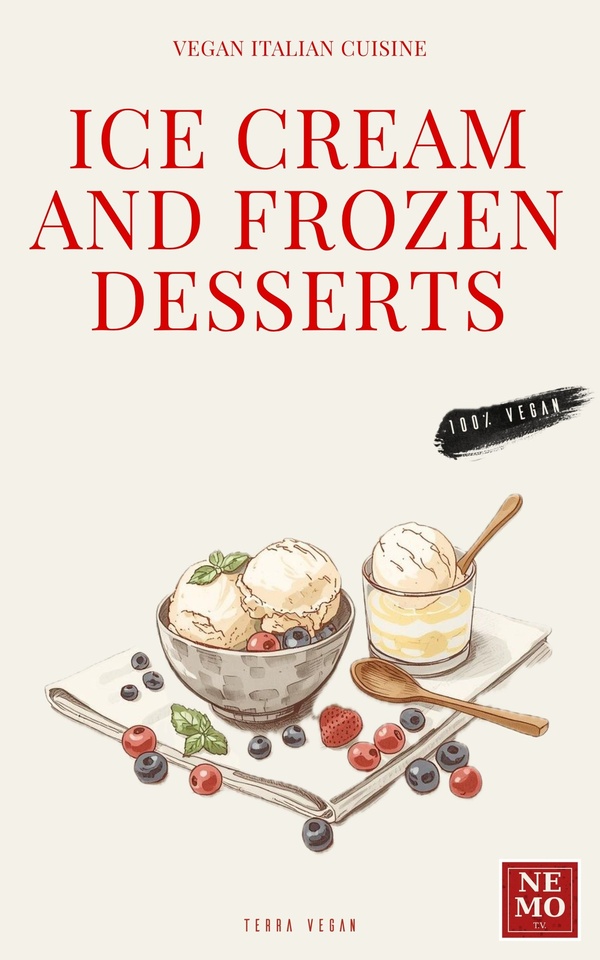
D4 · Ice Cream and Frozen Desserts
This was another compelling and engaging read in this vegan cookbook series. The exploration of frozen desserts, particularly ice cream, using plant-based ingredients was both insightful and engaging. The variety of different frozen desserts within the ice cream realm that the author includes in this, from normal cream-based ice cream to sorbets and so much more, allows the reader to get a broader sense of inspiration when they decide to develop their own frozen desserts.
What was so fascinating about this book was the way the author delves into how these frozen desserts form. The author explains how dextrose lowers the freezing point more than sucrose and details the science and steps needed to achieve it. This lets readers go beyond the recipes in the book and develop their own recipes with the knowledge they gain from understanding the process.
Compelling, engaging, and memorable, offer Nemo‘s “Ice Cream and Frozen Desserts” is a must-read non-fiction book and cookbook on vegan desserts. The insights and knowledge readers gain from this quick yet engaging read will help them better understand how to curate frozen desserts so they can develop their own flavors and recipes.
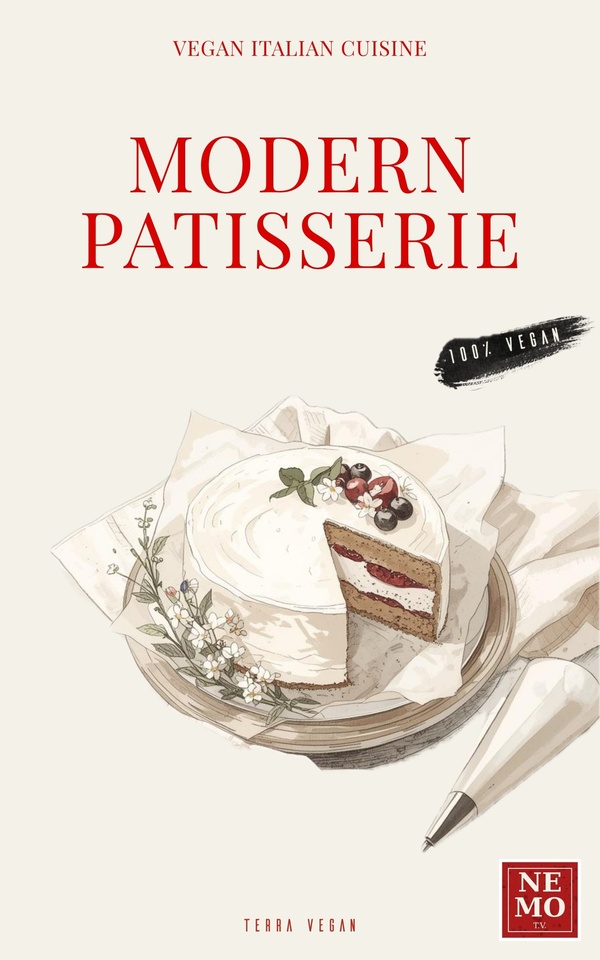
D5 · Modern Patisserie
This was a detailed and engaging read. The author deepens the reader’s understanding of vegan baking and desserts by exploring layered or constructed desserts. From a simple mousse to layered cakes and everything in between, the author provides insights into the meticulous steps needed to develop these delicious recipes that readers can put into practice for themselves.
The key to understanding the concepts in this book is patience. Baking, especially, is a very structured and scientific process, even more so when delving into baking with vegan products. Understanding how these products interact, how they need to be treated, and how to layer or laminate them into a cohesive dessert is a thought-provoking process that readers will want to follow.
Engaging, detailed, and insightful, Author Nemo‘s “Modern Patisserie” is a must-read non-fiction cookbook for vegan desserts. The attention to detail in the delicious recipes strikes the perfect balance of passion for food, scientific knowledge, and an understanding of vegan cuisine.
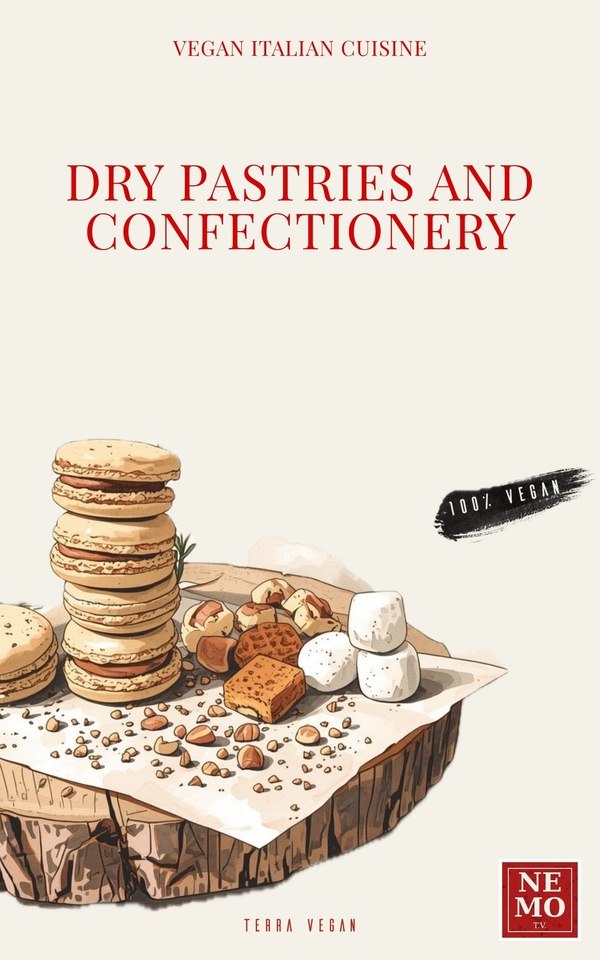
D6 · Biscuits and Confectionery
This was a fascinating and engaging entry in this vegan cookbook series. The author does a fantastic job providing detailed analysis and insight into the intricacies of dry baked goods and how to make them using baking products. The recipes are delicious, and readers will appreciate the time and effort that goes into not only the ingredients but also the recipes themselves.
Readers will appreciate how the author explains in great detail why dry baked goods such as macarons are some of the most difficult to master. From understanding the temperature and humidity when baking these products to the amount of time needed for the product to rest after being baked and how these ingredients interact with one another, the book allows the reader to understand these ingredients in greater detail and develop the patience and knowledge needed to delve into baking these various desserts, including those delicious macarons and biscuits.
Compelling, engaging, and detailed, Author Nemo’s “Biscuits and Confectionery” is a must-read non-fiction book for vegan baking. The knowledge readers gain from learning how to develop these specific, delicate recipes will stay with them long after they finish the book, keeping them invested until the final page.
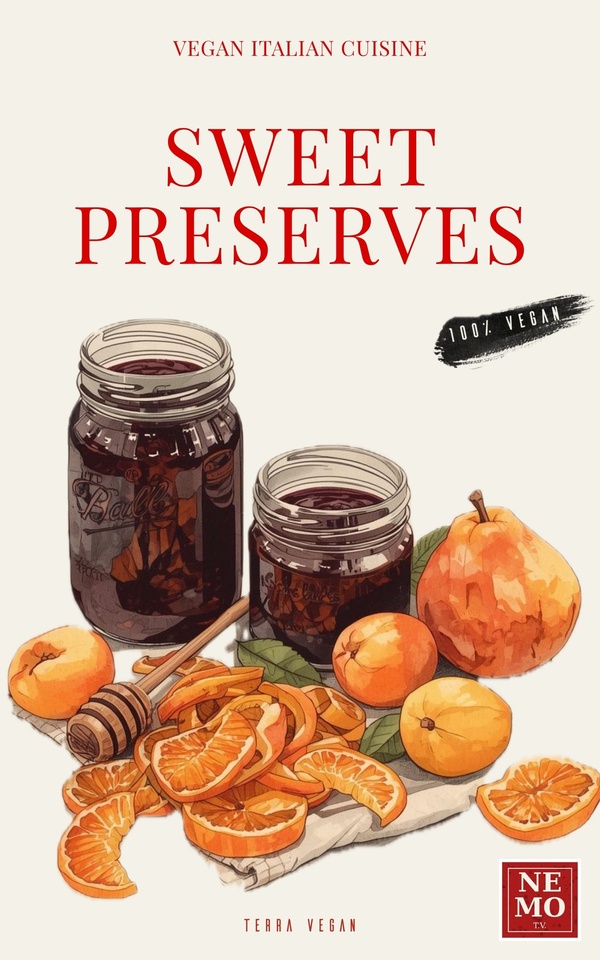
D7 · Sweet Preserves
This was a unique and engaging entry in this cookbook series. Interestingly, the book begins by highlighting that preserves are naturally vegan, with little to no change needed to make them vegan. Understanding how to preserve these fruits and sugars, and how to preserve them for long periods, helps readers appreciate the science and technique behind these delicious preserves.
Something readers will find interesting. It may not be something they think about often: how much preserves are used in other areas of cooking and baking. These flavor bombs let people add delicious butters and syrup to breakfast pastries, make classic sandwiches with jams, and enjoy a distinct, naturally sweet profile, while the scientific knowledge and techniques help readers preserve those flavors.
Delicious, engaging, and insightful, Author Nemo’s “Sweet Preserves” is a must-read non-fiction vegan cookbook. It balances technique with delicious recipes and a wide range of preserve styles. The author goes into detail, and readers return to this book time and again for their own preserves, appreciating the work and heart that go into making these products.
D8 · Decoration and Presentation
This was a fun and unique entry in this vegan cookbook series. Learning how decorating desserts affects both the palate and people’s interest in specific foods made this a memorable read. The author strikes a great balance between informative instructions and powerful insights on using specific techniques for vegan desserts. Readers can use these items as a quick reference when creating their own recipes.
From modeling chocolates to vegan glazes, fondants, and so much more, this book is the perfect read for those who enjoy non-fiction cookbooks. Understanding the techniques that balance these ingredients in any dish, and applying them to the visual styling of particular recipes, adds creative flair to the series.
Compelling, engaging, and memorable, Author Nemo‘s “Decoration and Presentation” is a must-read non-fiction vegan cookbook. The book is creative and fun, focusing on decorating and presenting delicious baked goods and desserts, and on techniques that help carry deliciousness. Vegan products will provide great references for those who plan to use these techniques in their own baking.
D9 · Advanced Dessert Techniques
This was one of the more complex yet rewarding entries in this vegan cookbook series. Built on specific techniques, the author shares their signature wisdom and passionate yet instructional writing style as readers learn advanced dessert techniques they can use with vegan products. The knowledge and creativity behind these recipes and techniques will inspire readers to take the time to understand how they come together.
Understanding these techniques is how good bakers become truly great. From spherification in gels to modifications and foams, the author does a wonderful job highlighting advanced techniques that feel like something out of a Food Network TV baking competition. The way these techniques add depth of flavor and highlight the versatility of vegan products makes this book a powerful tool for readers.
Engaging, insightful, and creative, Author Nemo’s “ Advanced Dessert Techniques” is a must-read nonfiction entry in a strong vegan cookbook series. The depth of knowledge and insight the author provides into these advanced techniques is impressive, making this book a useful reference anytime readers need to brush up on their developing skills.
D10 · Gluten-Free Baking
This was an entry in the vegan cookbook series that I have been highly anticipating, and it was well worth the wait. As someone who has family members who have to eat gluten-free due to celiac disease, being able to find delicious recipes that allow them to enjoy gluten-free versions of foods they enjoy has always been something I look for. The Author does a fantastic job of exploring how gluten-free ingredients behave and mimic the pliability gluten often provides in products.
It was great to see these recipes and techniques come to life as both gluten-free and vegan. The author prioritizes not only understanding gluten-free products and how they behave, but also creating delicious, memorable recipes. I love how these recipes work for cakes, biscuits, and ice creams as well, which is always a personal favorite in our household.
Engaging, memorable, and insightful, Author Nemo‘s “Gluten-Free Baking ” is a must-read non-fiction vegan and gluten-free cookbook. The balance the author struck between understanding gluten-free ingredients and developing memorable, creative recipes readers will happily make again and again was amazing to see come to life on the page, and it will let readers reference this book time and time again.
P1 · Health and Hygiene Regulations
This was an educational experience for readers who want to truly understand vegan cuisine and baking on a grander scale. The author begins a new collection in this vegan series, focusing on food and kitchen safety. If readers want to use their kitchens to produce recipes more than once and on a larger scale, understanding food regulations and maintaining proper hygiene and safety for the equipment and ingredients used is essential.
The depth of understanding and the precision of detail the author includes in this book are astonishing. The book is perfect for those looking to start a business or production line for vegan recipes, including how to properly document these health and safety regulations, making sure not only the food and kitchen equipment, but the staff themselves are properly covered and cleaned up before prepping this food, and specific food safety guidelines that’ll make this book an insightful and compelling entry in the series.
Informative, detailed, and engaging, Author Nemo’s “Health and Hygiene Regulations” is a must-read non-fiction vegan cookbook and safety reference guide. The knowledge and ways readers can reference the information in this book will be essential and helpful for those hoping to develop a line of vegan cooking and baking items in their own kitchens.
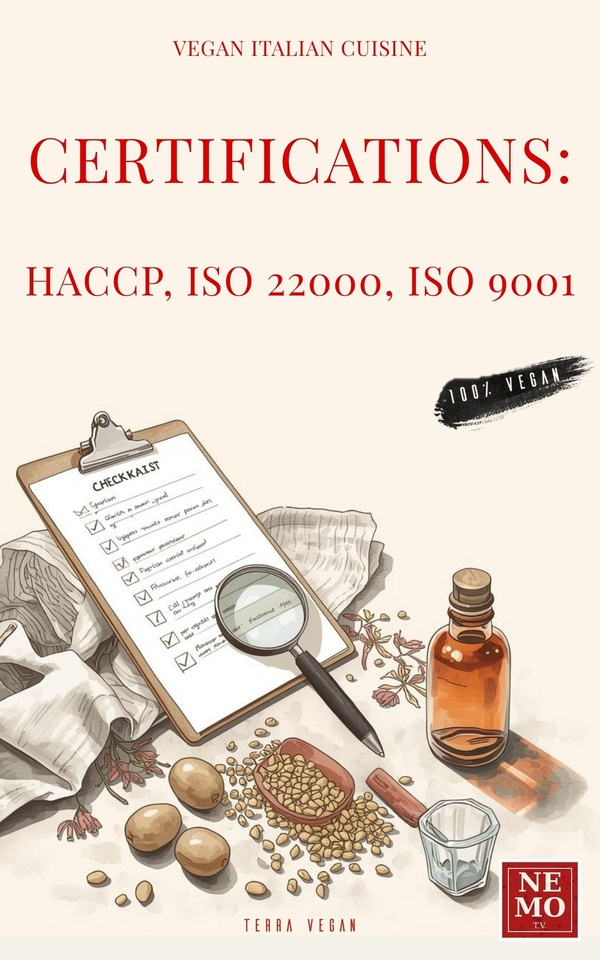
P2 · Certifications: HACCP, ISO 22000, ISO 9001
This is one of the most comprehensive and detailed entries in this vegan cookbook series. Rather than focusing on pure vegan recipes or cooking methods, the book focuses on the certification process kitchens need to complete to open a vegan kitchen. The precise detail the Author provides on this process adds depth and business-side knowledge to the reader’s understanding of vegan businesses as a whole.
Readers not only get a glimpse of the specific certification processes needed and which certifications help open a vegan kitchen, but also what each certification requires and the steps the reader must take if they decide to go down this path. The author writes in a way that is succinct, detailed, and yet right, with a passion for this world that is harder not to feel when considering opening a vegan kitchen.
Detailed, organized, and insightful, Author Nemo’s “Certifications: HACCP, ISO 22000, ISO 9001” is a must-read non-fiction book on vegan kitchens and business as a whole. The straightforward lessons on how to get the proper certification to build the business readers are seeking make it a great reference guide they can use time and time again when preparing to earn these certifications on their own.
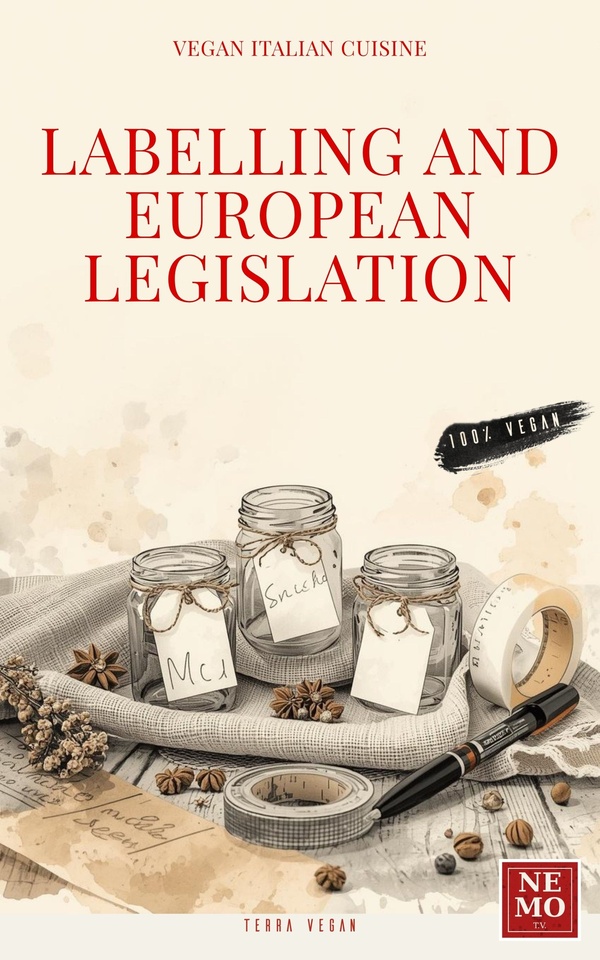
P3 · Labelling and European Legislation
Readers can learn the steps to create the perfect label for the vegan products they want to sell, and see how European laws differ from those in other countries. The author continues to explore the business side of vegan kitchens, helping readers feel they can start their own business using recipes from earlier books; this book adds to that by focusing on the requirements for creating a legal label and saving money on reprints.
The author’s level of detail is incredible, down to the font type and spacing needed to make the label not only legible but also compliant with regulations. Speaking of regulations, the book also delves into European-specific laws and not only how they differ from USDA certification, but how they impact the labeling process as well.
Detailed, insightful, and memorable, Author Nemo’s “Labelling and European Legislation” is a must-read non-fiction book on vegan kitchens and business practices. Its knowledge and educational value make it a great reference for readers building the businesses they hope to start, and it broadens understanding not only of European laws, but also of why such specific details are needed to create labels for vegan products.
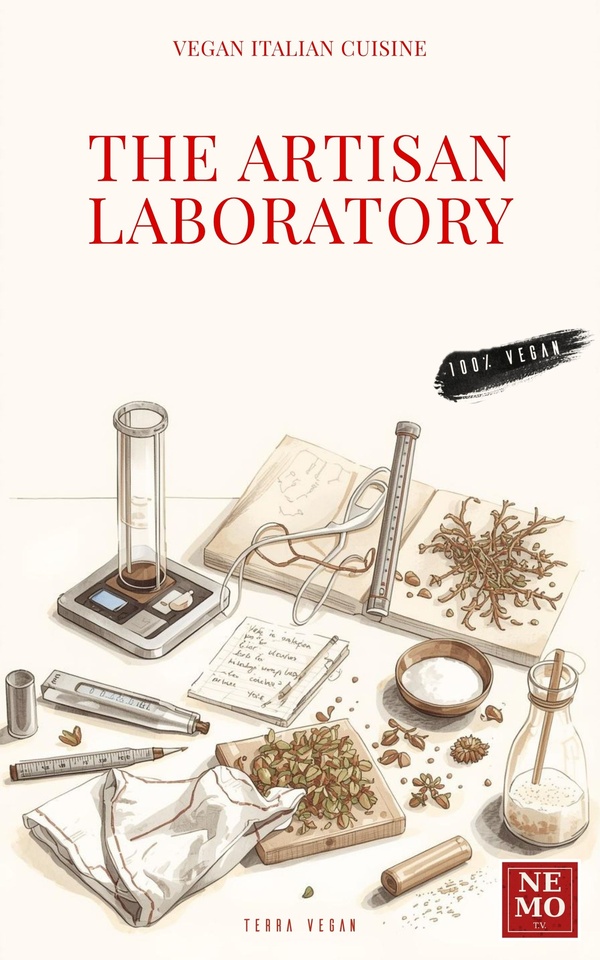
P4 · The Artisan Workshop
This was a much-needed entry in this vegan cookbook series. Rather than focusing on the business side of opening a vegan kitchen or specific vegan recipes, the author focused on setting up and running one. Being able to maintain health standards and food safety, while also ensuring equipment, cooks, and the raw materials used in these recipes are handled safely, is essential to any kitchen, let alone a vegan business.
The author goes into great detail on how to maintain this kitchen functionality. From making sure all of these materials are safely stored and kept at the right temperature, to making sure each kitchen has the proper equipment, and finally making sure that the kitchen itself has a proper flow so that the people working within it can move from point A to point B without missing a step, the author perfectly outlines the structural and economical aspects of maintaining a proper kitchen.
Fulfilling, memorable, and engaging, Author Nemo’s “The Artisan Workshop” is a must-read nonfiction book on vegan kitchens, vegan businesses, and safety standards overall. The insight and knowledge readers gain from this book, and the detailed way the author shares it, will help them set up their own vegan kitchens if they are looking to start a business.
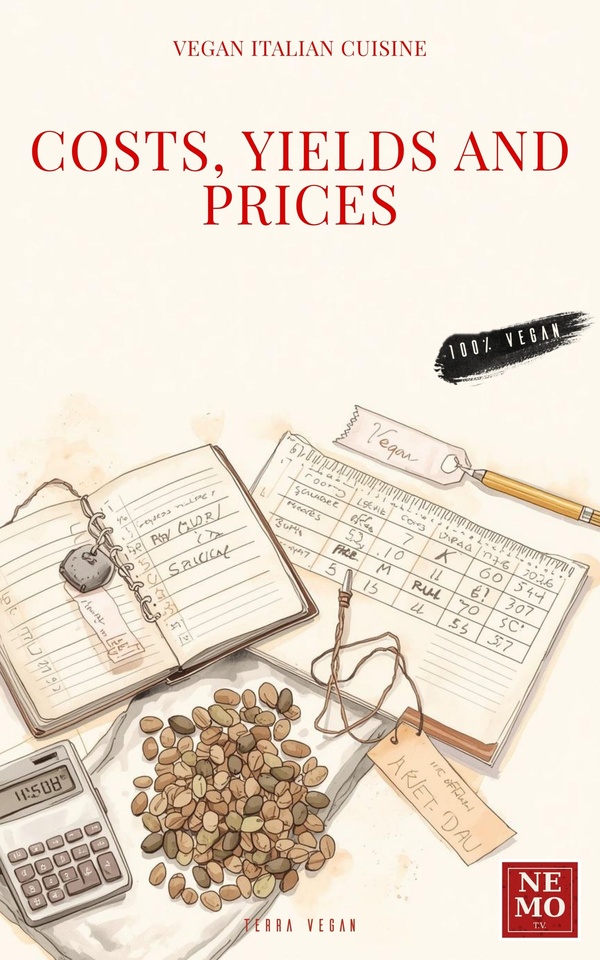
P5 · Costs, Yields and Prices
This is definitely the most fiscally driven book in this vegan cookbook series. Focusing back on the business side of things, the author delves into the actual cost of not only the production of vegan products and getting certifications for a vegan kitchen, but also factors in the cost of labor that artisans often incur without realizing it, and highlights the areas in which artisans end up losing revenue so that they can go back and fix those missteps themselves.
The book includes detailed chapters on the many ways vegan production ends up costing money. From the certification process, and even the amount of money spent on the specific amount of time some products need to be fermented, to labor costs, and the actual selling point and break-even cost that businesses should be aware of going into, especially that first year of opening a vegan kitchen business.
Detailed, insightful, and engaging, Author Nemo’s “Costs, Yields and Prices” is a must-read non-fiction book on vegan kitchens and business as a whole. Readers will learn the real cost of production and what to expect from a revenue standpoint, as well as the cost of labor for artisans looking to turn their craft into vegan recipes; they’ll enjoy this book and use it as a reference time and time again.
P6 · Brand Communication and Marketing
This was another effective and engaging entry in this vegan cookbook series. Continuing to explore the business side of opening your own vegan business, the book does a masterful job of exploring the importance of marketing and creating a unique brand. In an age in which social media and technology go hand-in-hand with word-of-mouth and tried-and-true business strategies, one of the most consistent things about any successful business, but especially food-related businesses, is having a brand that is memorable and recognizable.
The author does a great job of not only exploring the ways in which communicating one’s message to customers is important, but also making sure the brand represents you and who you are as a person, and how it relates to that vegan business is crucial to being able to connect with future customers in building a base. The book also takes practical steps to explore the foods, especially vegan products, that you can legally use and claim in communication and marketing for your brand.
Honest, insightful, and engaging, Author Nemo’s “Brand Communication and Marketing” is a must-read non-fiction vegan cookbook. The detail and the knowledge readers gain from understanding the practicality and importance of owning your brand as a vegan business and putting that into practical terms, legally and socially, to make sure your brand represents you wholly and completely, make this a great reference guide and book of knowledge readers will not be able to put down.
P7 · Direct Sales and Online Channels
This one is another insightful, engaging entry in this vegan cookbook series. The business aspect of vegan kitchens remains the central focus of this series, delving this time into direct sales to customers rather than larger commercial distribution. The author explores how people can start their own vegan kitchen businesses and sell goods directly to customers rather than through third parties.
These avenues include everything from trade fairs to online communities and local markets, showing readers not only how businesses can control their margins through direct sales, but also the importance of online bookkeeping and the pros and cons of running the business solo rather than through a third party. It was refreshing to see not only the technical side, but also how this keeps open lines of communication so customers and businesses can see how things can be improved and how they respond to new products.
Educational, memorable, and engaging, Author Nemo’s “Direct Sales and Online Channels” is a must-read non-fiction business entry in this vegan cookbook series. The depth of detail the author is able to provide on the subject matter, and the inspiration that readers get from seeing how the business side of things works when businesses decide to sell directly to the customer, allow future business owners to truly grasp the work that goes into creating a cost-effective business with vegan products.
P8 · B2B Distribution
This adds another engaging, memorable entry to this vegan cookbook series. Continuing to focus on the business side of opening a vegan kitchen business, this book highlights the more commercial side. Rather than selling directly to customers, this book highlights the benefits and requirements of selling products to restaurants and other established customer bases.
This was detailed and thoughtfully curated, highlighting not only the technical details of what to expect when entering a business-to-business relationship, but also the steps people should take to maintain those relationships over time and provide the best service possible. From breaking down the different types of paperwork and filings needed to make a business venture work to understanding the vital nature of making oneself available at all times to clients and establishing a good reputation that clients can rely on for continued business over time, the author provides deep insight into this larger-scale operation and the required steps needed to make these business ventures work for individuals looking to establish their own vegan cooking line.
Knowledgeable, insightful, and engaging, Author Nemo’s “B2B Distribution” is a must-read non-fiction vegan cookbook and business book. The detail and the ability for the reader to reference this book over and over again when establishing their own vegan business, and getting the other half of what kind of distribution can be utilized for such a kitchen, not only gave readers a new perspective, but also knowledge on what they can expect when entering this field.
P9 · The Business Plan
This was a memorable way to end this vegan cookbook series. Ending the book series on developing a business plan for an emerging vegan kitchen is an inspiring choice and allows readers to see the fruits of their labor, so to speak, come to life on the page as all the recipes, cooking styles, and business models all come together to form the foundation of that business.
The book goes into great detail on the steps required to make a business plan function, from establishing a business model and operation plan to discussing the various financial plans needed to make such a venture work and the tools that we would be required to help with things like grants and development of any land that you would need to make a business work. This adds not only the practicality of running a business, but also goes into great detail on how food-related businesses such as vegan kitchens require specific steps to ensure food safety and health standards, product viability, and profitability.
Insightful, inspiring, and engaging, Author Nemo’s “The Business Plan” is a must-read nonfiction vegan cookbook and business book. A fantastic end to this detailed and compelling vegan cookbook series, the author’s sincerity and authenticity, along with the practical focus on developing a business plan, make this book an insightful look at running a vegan business.
D10 · Gluten-Free Baking
“Aquafaba Dacquoise Problems: 7 Common Issues & Fixes”: the layered vegan dacquoise from chapter 4, the seven most common problems and how to fix them, with the author's own kitchen test.
Why Is Your Aquafaba Dacquoise Spreading, Breaking or Turning Soft?
A dacquoise is a delicate, nut-based meringue layer traditionally made with ground nuts and whipped egg whites. In a vegan version, aquafaba—the liquid from cooked chickpeas—replaces the egg whites.
Aquafaba dacquoise problems can range from meringue that fails to reach stiff peaks to layers that spread, crack or become soft after baking.
Unlike a conventional cake batter, an aquafaba dacquoise depends on the aeration of a well-whipped meringue. The dry ingredients need to be incorporated gently, and the layers must be baked and cooled properly.
If your dacquoise loses volume, spreads in the oven, breaks during handling or becomes soft after filling, it helps to identify exactly when the problem begins.
I explored this technique while working with D10 – Gluten-Free Baking by Terra Vegan and also tested the formulation in my own kitchen. My trial was successful. In this article, I have kept my own observations separate from the original method and from possible explanations for problems you may encounter.
What Happened to Your Aquafaba Dacquoise?
| Problem | What to Look at First |
|---|---|
| Aquafaba does not reach stiff peaks | Aquafaba consistency, bowl cleanliness and whipping |
| Meringue becomes loose after adding sugar | Whether stiff peaks had formed and how the sugar was incorporated |
| Mixture loses volume after adding almonds | Folding technique and how much air has been retained |
| Mixture spreads before or during baking | Meringue stability, folding and shaping |
| Layers bake unevenly | Disc thickness and oven temperature |
| Discs crack or break during assembly | Whether they have cooled completely and baked sufficiently |
| Dacquoise becomes soft | Whether the softness is expected or the centre is underbaked |
A Note About the D10 Formulation
The formulation I worked with comes from Chapter 4, Layered Vegan Dacquoise, in D10 – Gluten-Free Baking by Terra Vegan.
It makes two 20 cm dacquoise discs.
| Ingredient | Quantity |
|---|---|
| Aquafaba, at room temperature | 160 ml |
| Cream of tartar | ¼ teaspoon |
| Caster sugar | 120 g |
| Very finely ground almonds | 150 g |
| Cornflour | 20 g |
| Flaked almonds | 50 g |
The flaked almonds are sprinkled over one of the discs, which becomes the top layer.
The method begins by whipping aquafaba with cream of tartar until stiff peaks form. Sugar is then added gradually until the meringue becomes glossy and thick. The sifted ground almonds and cornflour are folded in gently in two batches.
The mixture is spread into two 20 cm circles, approximately 1 cm thick, and baked in a fan oven at 150°C for 25–30 minutes, until the surface is dry and lightly golden.
I am not reproducing the complete recipe here. My focus is on understanding the behaviour of the mixture and identifying what to look at when the finished layers do not turn out as expected.
Does Aquafaba Dacquoise Need Xanthan Gum or Psyllium Husk?
You may notice that this formulation does not include xanthan gum or psyllium husk.
That is intentional. In this particular preparation, the structure comes from the whipped aquafaba and ground almonds, with cornflour included in the dry mixture. A gluten-free recipe does not automatically need a gum or additional binder. It depends on how the preparation is designed to hold its structure.
1. Why Is Your Aquafaba Not Reaching Stiff Peaks?
The meringue provides the aeration and structure for an aquafaba dacquoise. In the D10 method, aquafaba is whipped with cream of tartar until stiff peaks form.
A properly whipped aquafaba meringue should be glossy and thick, with a firm peak that holds its shape when the whisk is lifted.
To check, lift the whisk and look at the peak. It should stand upright and hold its shape. If it bends over or slowly sinks back into the bowl, the aquafaba needs more whipping.
Stop here and continue whipping. Do not add the almond mixture until the peaks hold their shape.
A few things are worth considering:
- Is the aquafaba unusually thin or watery?
- Is the bowl and whisk completely clean and free from grease?
- Was cream of tartar included?
- Has the aquafaba been whipped sufficiently?
Aquafaba can vary in consistency, so different batches may not behave identically. If the foam is not holding its shape, investigate the aquafaba and whipping stage before moving on to the dry ingredients.
2. Why Does the Meringue Lose Its Structure When Sugar Is Added?
In the D10 method, sugar is added gradually after the aquafaba has reached stiff peaks. The aim is to obtain a glossy, thick meringue.
Watch the mixture as you add the sugar. A slight change in the definition of the peaks is not necessarily a problem. What matters is whether the meringue continues to hold its structure.
If the peaks become poorly defined and the mixture starts looking loose, pause and consider whether the aquafaba had reached stiff peaks before you began adding sugar.
Keep these points in mind:
- Add the sugar gradually rather than all at once.
- Make sure the aquafaba has reached stiff peaks first.
- Look for a glossy, thick meringue before moving to the next stage.
- Avoid continuing to mix longer than necessary once the intended consistency is achieved.
The sugar quantity is part of the original formulation. I would not reduce or increase it casually to correct a problem with the meringue.
3. Why Does the Meringue Lose Volume During Folding?
This is the stage at which the ground almonds and cornflour are incorporated. Some reduction in volume is normal because the dry ingredients make the meringue heavier. In vegan dacquoise, the aim is to fold them in gently while retaining as much of the air incorporated during whipping as possible.
What I look for is a mixture that still appears aerated and falls from the spatula in a thick mass. If it runs like a thin batter, too much air may have been lost.
D10 recommends folding the sifted dry ingredients into the meringue in two batches, using gentle movements.
A few things make a difference here:
- Add the dry ingredients in two batches.
- Fold gently rather than beating or stirring.
- Scrape around the bowl and underneath the mixture so the ingredients are incorporated evenly.
- Stop folding once the dry ingredients are incorporated.
Do not expect the mixture to look as voluminous as the original whipped aquafaba. The aim is to retain enough aeration to give the dacquoise its structure.
4. Why Does Your Dacquoise Spread During Baking?
Spreading is different from losing volume during folding. Here, the mixture may appear reasonably stable before baking but lose its shape in the oven.
Keeping the dacquoise layers evenly spread and approximately 1 cm thick helps them bake more uniformly.
I would first look at how the mixture behaves on the baking paper.
- If it spreads immediately after piping or shaping: Revisit the whipping and folding stages. The mixture may already have become too loose before baking.
- If it holds its outline but flattens in the oven: The mixture may not be retaining enough structure during baking. Its stability and the oven conditions are both worth investigating.
- If it loses its shape unevenly: Look at how consistently the mixture was spread and whether the oven is distributing heat evenly.
D10 specifies a fan oven at 150°C. If you are using an OTG or another domestic oven, remember that the displayed temperature may not be the actual temperature inside.
An oven thermometer can help you compare the temperature setting with the temperature your oven is actually reaching.
The important distinction is whether the mixture is already spreading before baking or whether it holds its shape initially and flattens in the oven. These are not necessarily the same problem.
5. Why Are Your Dacquoise Layers Not Baking Evenly?
When spreading the meringue mixture, try to keep both discs as even as possible. This is more important than it may seem. If the centre is thicker than the edges, the edges may bake sooner while the centre remains soft.
In the D10 method, each disc is approximately 1 cm thick. Maintaining a uniform thickness helps the layers bake more evenly.
If you notice that your dacquoise is not baking evenly, look closely at the result:
The edges are cooked, but the centre is still soft: The mixture may be thicker in the middle. Check whether you have spread it evenly.
One side is more golden than the other: Your oven may be distributing heat unevenly. Check the positioning of the baking tray and your oven’s heat distribution.
The surface still looks damp: The disc may need more baking. However, first check its thickness and whether your oven is reaching the correct temperature.
D10 specifies a fan oven at 150°C for 25–30 minutes, until the surface is dry and lightly golden. If you are using an OTG or a domestic oven, do not rely entirely on the temperature displayed on the dial. An oven thermometer will help you check the actual temperature.
My suggestion is to check the thickness of the discs and your oven’s heat distribution before changing the temperature or baking time. Even a small difference in thickness or oven performance can affect the finished layers.
6. Why Do Dacquoise Layers Break?
Aquafaba dacquoise discs are delicate, but they should be firm enough to lift and assemble once completely cooled. Allow them to cool on the baking paper before handling to reduce the risk of cracking or breaking.
If a disc sticks to the baking paper, resist the temptation to pull it away immediately. Give it more time to cool before attempting to lift it.
There is another important point here. D10 specifically mentions two possible reasons why the discs may break during assembly: they may still be warm, or the meringue may not have baked sufficiently.
When this happens, I would first look at the baking and cooling stages rather than changing the ingredients.
Make sure the surface has become dry and lightly golden, and allow the discs to cool completely before handling them. If they are still fragile after cooling, revisit whether they were sufficiently baked.
7. Why Does Your Dacquoise Become Soft?
A soft dacquoise is not necessarily a failed dacquoise. Before deciding that something has gone wrong, first consider whether you are looking at a freshly baked disc or an assembled dessert.
Some softening is expected once the layers are filled. In a vegan dacquoise, the meringue gradually softens when it comes into contact with the cream.
D10 explains that aquafaba dacquoise is more delicate and slightly less crisp than traditional egg-white dacquoise. The intended texture is slightly crisp at the edges and soft in the centre.
Here is how I would distinguish between the two:
- A soft centre with a dry surface and slightly crisp edges: This is consistent with the texture described in D10.
- A wet, pasty or unset centre before assembly: This is different from the expected soft centre. Revisit the thickness of the disc and the baking conditions.
- Layers becoming softer after filling: Some softening is expected as the dacquoise absorbs moisture from the filling.
I would not judge the texture only after the dessert has been assembled. First look at a cooled, unfilled disc. This helps you understand whether the softness is part of the natural texture of the dacquoise or whether the centre has not baked sufficiently.
My Kitchen Trial: Making Aquafaba Dacquoise
I tested the D10 formulation in my own kitchen without changing the ingredients or baking conditions.
Here is what I observed:
- The aquafaba whipped well and reached stiff peaks.
- The almond mixture folded into the meringue without significant loss of volume.
- The mixture held its shape when piped.
- I baked the discs at 150°C for 25–30 minutes.
- The finished layers were crisp after cooling.
- The discs released easily from the baking paper without breaking.
- The assembled dessert had clean, even layers.
I used chocolate ganache and whipped plant-based spread for the filling.
The trial was successful, and I did not need to make any adjustments to the formulation or baking conditions.
These are my observations from one successful kitchen trial. The troubleshooting explanations above are intended to help you investigate if your results differ; I have not tested every possible failure or variation.
Assembling and Storing the Dacquoise
Once both discs have cooled completely, you can assemble the dessert.
D10 places the plain disc on the serving plate, followed by a layer of chocolate ganache and whipped plant-based spread. The almond-topped disc is then placed above it and pressed down gently. The remaining ganache is used to coat the sides.
Handle the discs carefully while transferring them. They are delicate, and trying to lift one before it has cooled properly can cause it to crack.
After assembly, chill the dessert for at least four hours before serving. The filling will gradually soften the dacquoise, which is part of the character of this layered dessert.
D10 recommends storing it in the refrigerator for up to two days.
Frequently Asked Questions
1. What is aquafaba, and why is it used in vegan dacquoise?
Aquafaba is the liquid from cooked chickpeas. It can be whipped to form a foam and is used as a plant-based alternative to egg whites in preparations such as vegan meringue and dacquoise.
2. Is aquafaba dacquoise gluten-free?
The D10 formulation uses ground almonds and cornflour rather than wheat flour, making it a gluten-free formulation. If you have coeliac disease, check that all ingredients are certified or labelled gluten-free where necessary, and take care to avoid cross-contamination.
3. Can aquafaba dacquoise be used in layered cakes?
Yes. Dacquoise is commonly used as a layer in assembled desserts. In the D10 preparation, two almond meringue discs are layered with chocolate ganache and whipped plant-based spread.
4. How is aquafaba dacquoise different from traditional dacquoise?
Traditional dacquoise is generally made with whipped egg whites and ground nuts. The vegan version uses aquafaba instead of egg whites. As described in D10, the aquafaba version is more delicate and softens more readily when it comes into contact with the filling.
Final Thoughts
Aquafaba dacquoise is a delicate preparation, and the meringue stage is where much of its structure is established. Paying attention to the peaks, folding gently, spreading the discs evenly and allowing them to cool completely can make a real difference.
When something goes wrong, try to identify the stage at which the change occurs before altering the formulation. This will help you understand the behaviour of the mixture and make more informed adjustments.
Book reference: D10 – Gluten-Free Baking, Terra Vegan, Chapter 4: “Layered Vegan Dacquoise”.
Sharmila Sengupta | Baking Expert & Educator | 25+ Years of Baking Experience
D10 · Gluten-Free Baking
Gluten-Free Baking – A Thoughtful Approach to Plant-Based Baking
When I look at a gluten-free baking book, one of the first things I look for is how it explains the role of ingredients. Gluten-free baking is not simply about replacing wheat flour with another flour. It is about understanding how different ingredients behave and how they work together to give a bake its structure, texture and flavour.
This is what I appreciate about Gluten-Free Baking.
The book starts with a simple idea: gluten contributes to the structure and texture of baked goods, but other ingredients can perform these functions too when used thoughtfully. By combining different flours with suitable binding ingredients, it explores how to create gluten-free bakes that hold together and are enjoyable to eat.
Having worked with eggless, gluten-free and vegan baking for many years, I know that getting this balance right takes understanding and practice. Almond flour, rice flour, millet flour and starches, for instance, do not behave in the same way. They differ in their absorption, texture and contribution to the finished product. The choice and proportion of ingredients can make a considerable difference to the result.
The six chapters follow a sensible progression, covering the basics, doughs, sweet breads, cakes, biscuits, ice creams and chilled desserts. I like this approach because it takes the reader through the fundamentals before exploring their application in different recipes.
Another aspect worth appreciating is that the recipes are entirely plant-based. So the challenge is not just to bake without gluten, but also without animal-derived ingredients. In my experience, this requires careful formulation. Without gluten and eggs, we need to understand how ingredients contribute to binding, moisture, aeration and structure. Simply substituting one ingredient for another does not always give the desired result.
I particularly value the book's attention to how ingredients work. This is something I always emphasise in my own baking classes. When a gluten-free bread turns dense, a cake does not rise as expected or a biscuit becomes crumbly, it is important to understand what has happened rather than keep changing ingredients without knowing why. Once we understand the function of each ingredient, we become more confident and thoughtful bakers.
At the same time, the book does not lose sight of the pleasure of baking. There is something special about familiar cakes, biscuits and desserts that can be enjoyed with a cup of tea or shared with family. Making these treats accessible to people who follow gluten-free and plant-based diets is a meaningful part of what this book offers.
For me, Gluten-Free Baking is more than a collection of recipes or ingredient substitutions. It encourages readers to understand their ingredients, learn how they work together and approach alternative baking with greater confidence.
Whether you are beginning your journey into gluten-free and vegan baking or already have some experience, I believe this book offers a useful foundation and plenty of inspiration. It is a thoughtful addition to the bookshelf of anyone interested in exploring the possibilities of gluten-free, plant-based baking.