La critica sui manuali Terra Vegan
I manuali non li giudichiamo solo noi. Il critico statunitense Anthony Avina sta recensendo uno per uno i volumi dell'edizione inglese di Terra Vegan by Nemo: qui ci sono i suoi giudizi, integrali.
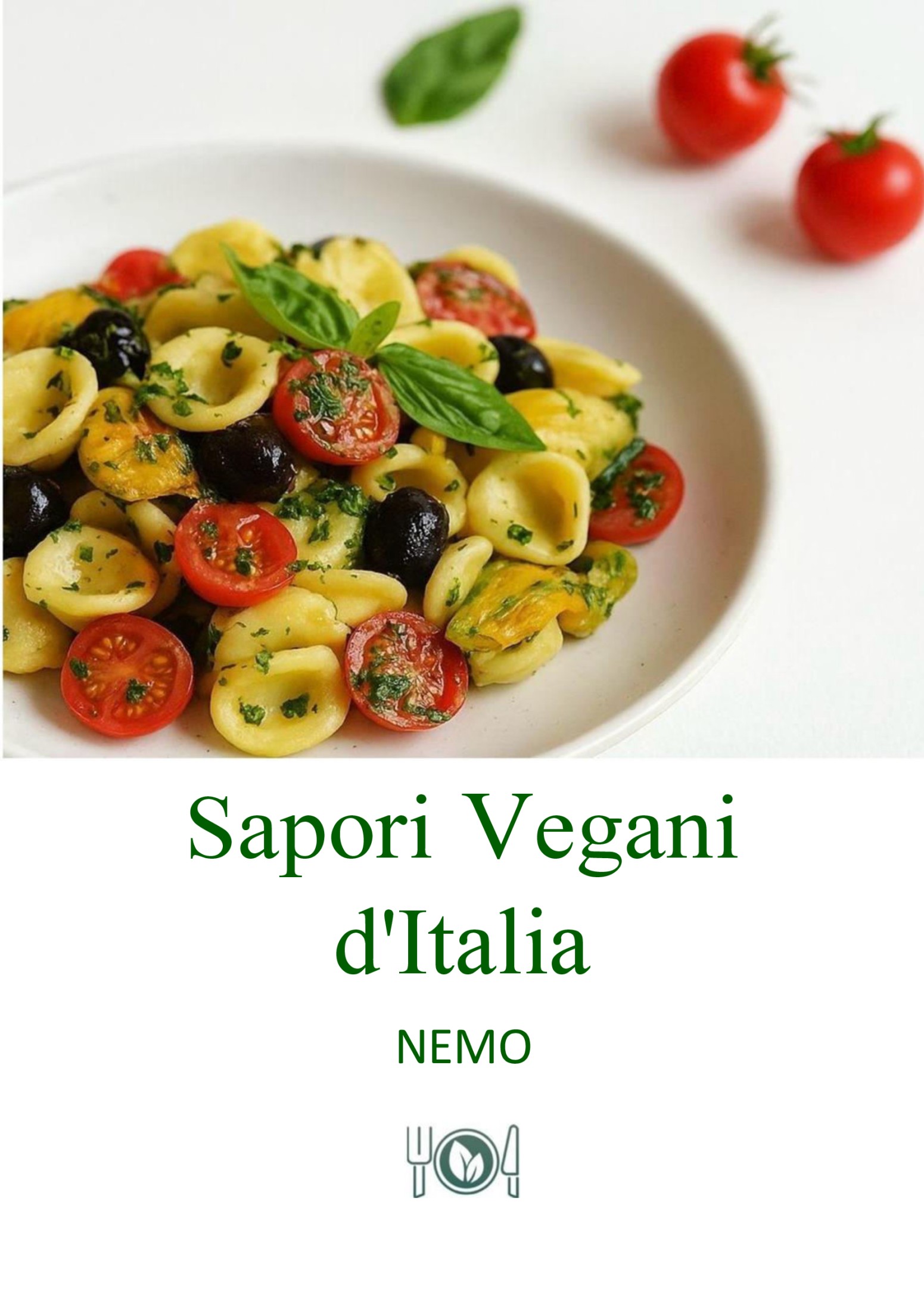
Vol. 1 · Sapori Vegani d'Italia
Questo ricettario è affascinante e convincente. L'autore riesce benissimo a cogliere il cuore e la tradizione della cucina italiana, e insieme a raccontare la storia e la necessità della cucina vegana nel mondo di oggi, i diversi metodi di preparazione e il motivo per cui certi ingredienti si comportano così in ogni ricetta. La cura del dettaglio e la varietà delle ricette prendono vita splendidamente in questo libro.
Ma quello che colpisce davvero è il modo in cui l'autore ha costruito e ordinato ogni ricetta, raggruppandole in sezioni che seguono non soltanto un pasto preciso, ma il ritmo naturale di un pasto in qualunque casa o ristorante italiano. Dagli stuzzichini e dagli antipasti fino alle cene importanti, ogni ricetta aggiunge profondità e quel senso di cuore e di casa che molti associano alla cucina italiana. Una mia preferita apre il libro, la bruschetta mediterranea, e mostra come ingredienti semplici, forti e saporiti possano stare insieme senza alcun prodotto a base di carne.
Curato con attenzione, sentito e coinvolgente, «Vegan Flavors of Italy» di NEMO è un ricettario da leggere e un ottimo modo per aprire, questo mese, una serie di recensioni dedicata a questa collana di ricettari vegani incentrati sulla cucina italiana. La profondità dei dettagli e il modo in cui queste ricette sono state preparate valorizzano gli ingredienti tipici delle diverse regioni d'Italia e l'impegno vegano che il libro promette.
Testo originale inglese
This cookbook was fascinating and compelling. The author does a fantastic job capturing the heart and tradition of Italian cuisine while also exploring the history and need for vegan cooking in our modern world, as well as the various preparation methods and why certain ingredients interact in each recipe. The detail and variety of recipes came to life beautifully in this book.
But what really stood out was how the author developed and curated each recipe by grouping them into sections that fit not just a specific meal, but the natural flow of a meal in any Italian home or restaurant. From small nibbles and appetizers to big dinners or supper, each recipe added depth and a sense of heart and home that many associate with Italian cuisine. A personal favorite of mine opens the book with Mediterranean bruschetta, showing how simple, powerful, flavorful ingredients can come together without any meat-based products.
Thoughtfully curated, heartfelt, and engaging, author NEMO’s “Vegan Flavors of Italy” is a must-read cookbook and a great way to start off a fantastic series of reviews this month of this compelling series of vegan cookbooks centered around Italian cuisine. The depth of detail and the way these recipes were prepared complement the unique ingredients native to various regions in Italy and the commitment to veganism this cookbook promises.
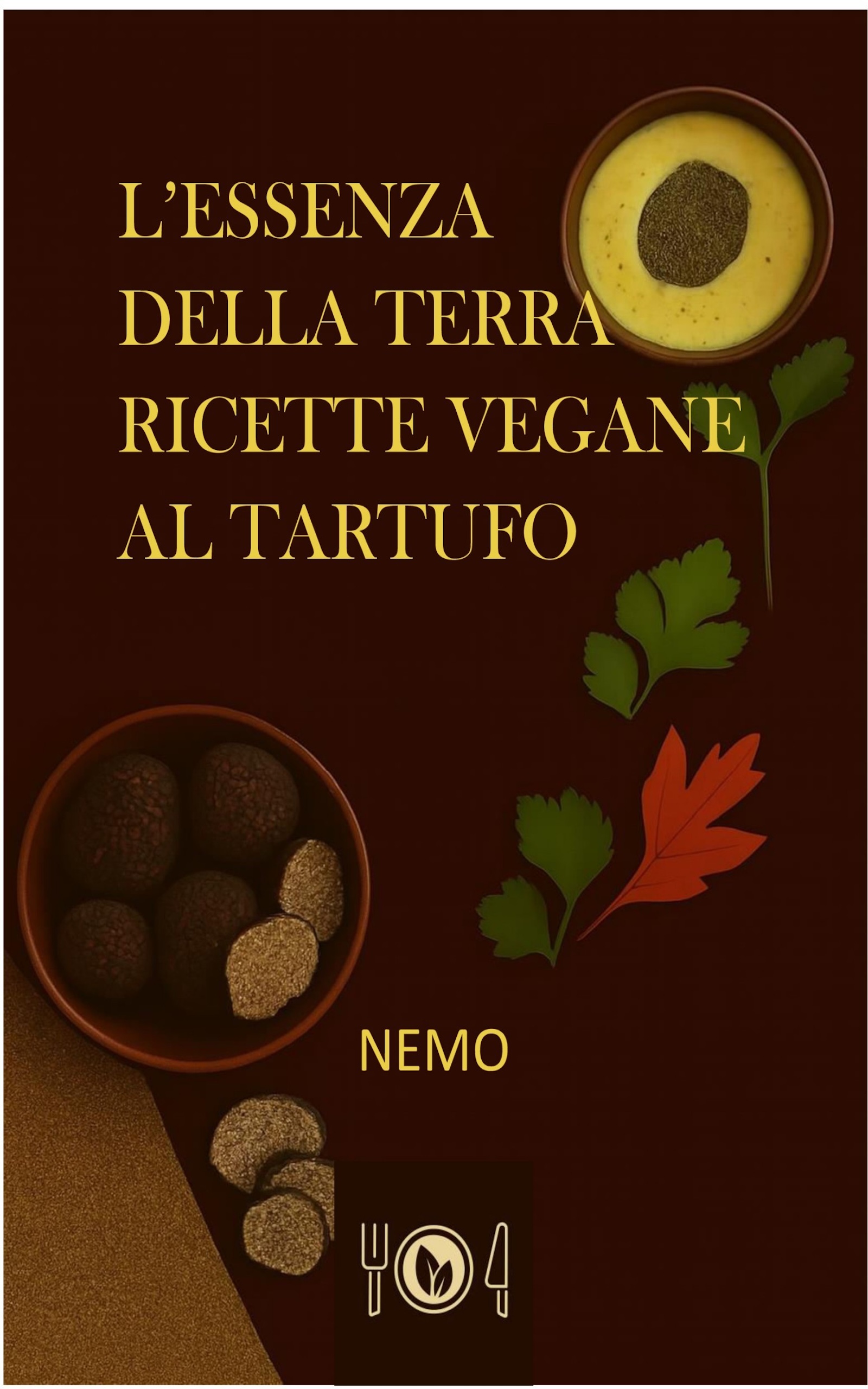
Vol. 2 · L'essenza della Terra: Ricette Vegane al Tartufo
Uno sguardo bello e istruttivo sui molti modi di portare il tartufo nella cucina di ogni giorno. Queste ricette vegane sono ispirate, curate nei dettagli, e ognuna è perfettamente bilanciata dalla capacità dell'autore di mettere a fuoco non soltanto il modo in cui il tartufo si sposa con ogni piatto e i sensi che si risvegliano mangiandolo, ma anche l'abbinamento con la stagione giusta, per ottenere il meglio da ogni tartufo.
Un momento notevole del libro è il modo in cui l'autore offre alternative senza glutine per queste ricette. C'è chi non avverte il bisogno di cibo senza glutine, visto che negli ultimi anni è diventato anche una moda, ma per chi, come me, ha in famiglia una persona celiaca, è importante che il cibo senza glutine sia più facile da trovare, e l'attenzione dell'autore a questo dettaglio è una bella aggiunta. Una ricetta che sembra particolarmente buona è il burger di funghi e tartufo: vedere come vengono preparati questi hamburger vegetali e quanto sono cremosi i tartufi la rende ancora più invitante.
Istruttivo, coinvolgente e piacevole, «The Essence of the Earth» di NEMO è un ricettario di cucina italiana da leggere, che dà risalto al tartufo. Il gran numero di ricette e il modo in cui l'autore le divide, non solo per stagione e per tipo di tartufo usato, ma anche per genere di preparazione, dagli stuzzichini alle cene elaborate e squisite, ne fanno un libro da tenere a portata di mano e da consultare tante volte, per chi vuole preparare vera cucina italiana con buone ricette vegane.
Testo originale inglese
This was a fantastic, insightful look at the many ways to incorporate truffles into everyday cuisine. These vegan recipes are inspired, and the depth of detail, and each recipe is perfectly balanced with the author’s ability to hone in on not only the ways in which the truffles are compatible with each recipe and the specific senses that will be triggered when consuming these recipes, but also pairs them perfectly with each season to get the most out of each truffle.
A standout moment in the book is how the author provides gluten-free alternatives for these recipes. While some may not recognize the need for gluten-free food, as it has become more trendy in recent years, as someone with family who has celiac disease, it is important that gluten-free food be more readily available, and the author’s attention to this detail is a welcome addition. One recipe that looked especially delicious was the mushroom and truffle burger; seeing how these vegan patties were prepared and how creamy the truffles were made it sound even more appealing.
Insightful, engaging, and delightful, “The Essence of the Earth” BY NEMO is a must-read Italian cuisine cookbook that emphasizes truffles. The vast number of recipes, as well as the way the author divides these recipes- not only by season and the specific truffles used with the recipe, but also by the types of recipes that these encompass, from finger foods to complex yet divine dinners, make this a great book to reference to use time and time again for anyone hoping to prepare authentic Italian cuisine using delicious vegan recipes.
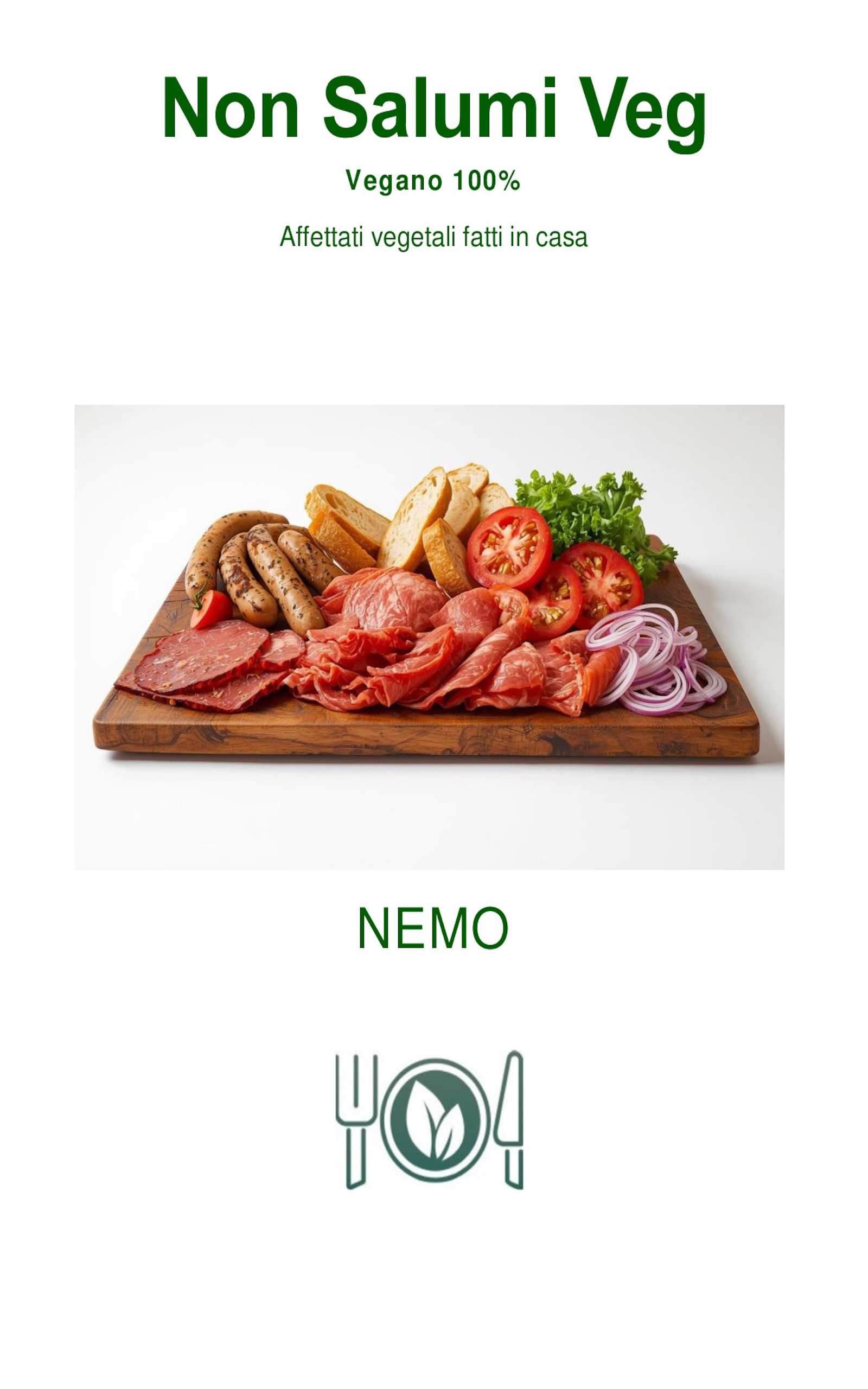
Vol. 3 · Non Salumi Veg
Un altro bellissimo ricettario vegano di questa collana dedicata alla cucina italiana. L'autore riesce a tenere insieme la preparazione di questi salumi vegetali e le ricette dei piatti in cui si possono usare. La cura dei dettagli e la scrittura dell'autore rendono facile tornare a questo libro tante volte.
Da lettore, la parte più bella è stata vedere il procedimento con cui si preparano queste carni vegetali e come ognuna diventi un salume riconoscibile. Dal modo in cui le piante vengono usate come addensante, all'impiego del fumo per dare più sapore di carne, fino alle spezie che aiutano a imitare i gusti dei salumi, l'autore mette in fila ricette molto diverse per tipi diversi di carni vegane, mortadella e salsicce italiane comprese.
Convincente, coinvolgente e istruttivo, «Non-Cold Cuts Veg» di Nemo è un ricettario di cucina italiana da leggere, per chi è vegano e per chi si interessa alla cucina vegana. La preparazione dei cibi e la cura dei dettagli danno spessore a questo libro particolare, che porta il sapore della carne dentro la cucina vegana e convince chi ha voglia di cucinare così.
Testo originale inglese
This was another fantastic vegan cookbook in this Italian vegan cuisine cookbook series. The author does a great job balancing the preparation of these vegan cold cuts with recipes for the various foods and meals they can be used in. The attention to detail and the author’s writing make it easy to return to this cookbook time and time again.
As a reader, my highlight was seeing the fascinating process of preparing these plant-based meats and how each one was transformed into an iconic cold cut. From the ways in which the plants were utilized for a thickening agent, to the use of smoke to add more meatiness, and the various spices that were used to help mimic the flavors of these cold cuts, the author was able to utilize a wide variety of different recipes for different types of vegan meats, including mortadella and Italian sausages.
Compelling, engaging, and insightful, Author Nemo’s “Non-Cold Cuts Veg” is a must-read Italian cuisine cookbook for vegans and those interested in vegan cuisine. The food preparation and attention to detail add depth to this unique cookbook on bringing meaty flavors to vegan cuisine, enticing readers interested in this style of cooking.
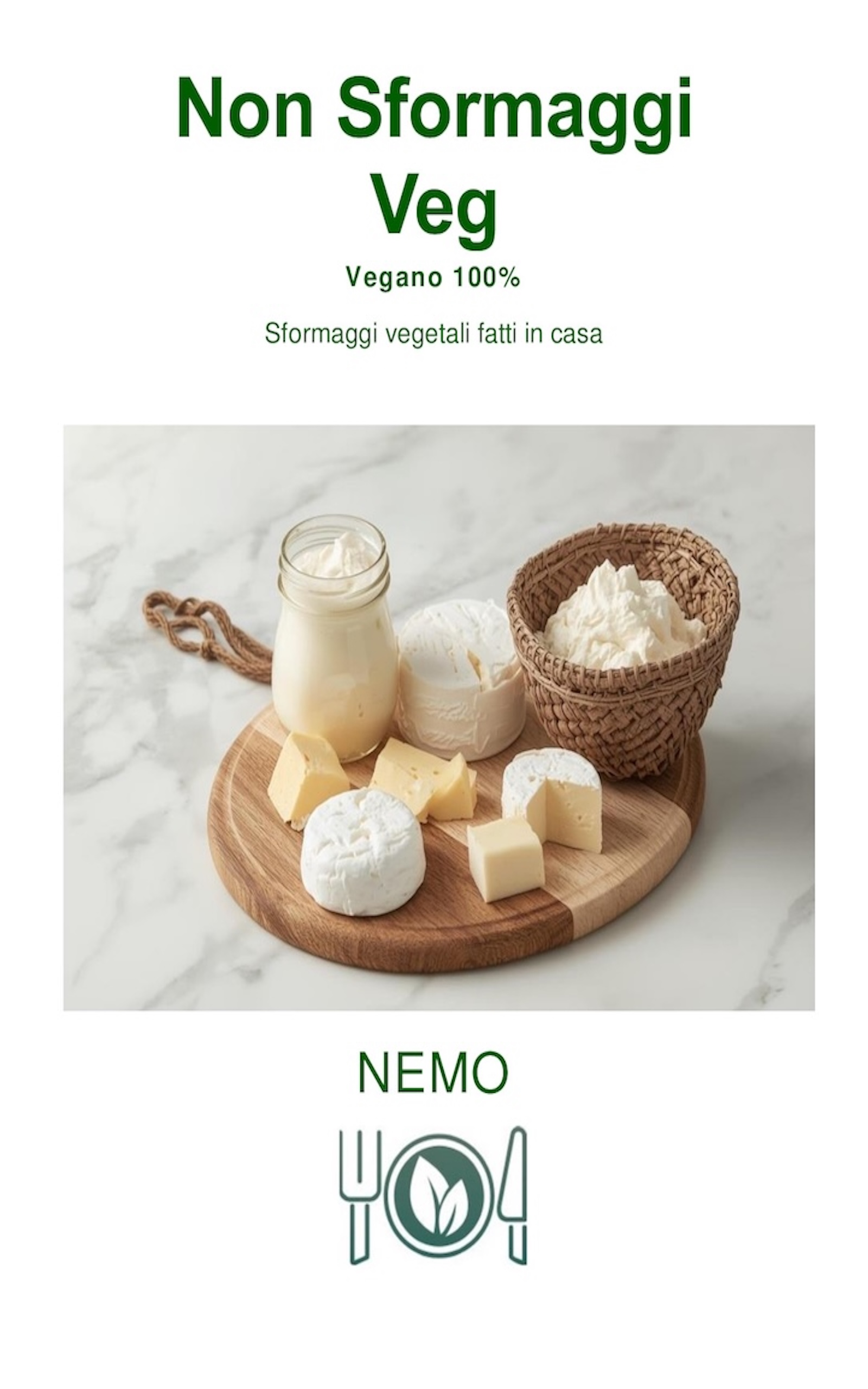
Vol. 4 · Non Sformaggi Veg
Un ricettario piacevole e divertente da affrontare. L'autore tiene bene insieme la preparazione e il procedimento dei formaggi vegetali e insieme esplora i tanti tipi che se ne possono fare. Vedere come nasce ogni cosa, dai formaggi spalmabili a quelli stagionati e a molto altro, e scoprire quanti formaggi diversi si possono fare è affascinante in queste ricette.
Quello che rende speciale questo libro è il modo in cui mostra come si fa il formaggio. Dai tipi di oli usati come base al processo di fermentazione e a come lo si ritrova persino in prodotti come il kombucha, fino alla stagionatura: un percorso particolare. L'autore entra molto nel dettaglio e mette i lettori in condizione di provare queste ricette da sé.
Convincente, coinvolgente e creativo, «Non-Cheese Veg» di Nemo è un libro da leggere sulla cucina italiana e sulla cucina vegana. È un ricettario preciso e piacevole, da consultare per molte ricette, e apre una finestra sull'intero procedimento con cui questi formaggi vegetali si fanno da zero.
Testo originale inglese
This was an engaging and fun cookbook to get into. The author does a great job balancing the preparation and process of making vegan cheese while also exploring the many types of vegan cheese. Being able to see how everything from spreadable cheeses to aged cheeses and so much more is created, and the multitude of different cheeses themselves, was fascinating to see in these recipes.
What made this book special was how it showed how cheese is made. From the types of oils used as the base for creating this cheese to the fermentation process and how that is even used for items such as kombucha, and the process of aging this cheese was a unique process. The author goes into great detail and lets readers use these recipes to test the items for themselves.
Compelling, engaging, and creative, Author Nemos “Non-Cheese Veg” is a must-read non-fiction book on Italian cuisine and vegan cooking. This cookbook is detailed and engaging, lets readers reference it for several recipes, and offers insight into the entire process of crafting these vegan cheeses from scratch.
Vol. 5 · Né Carne Né Pesce
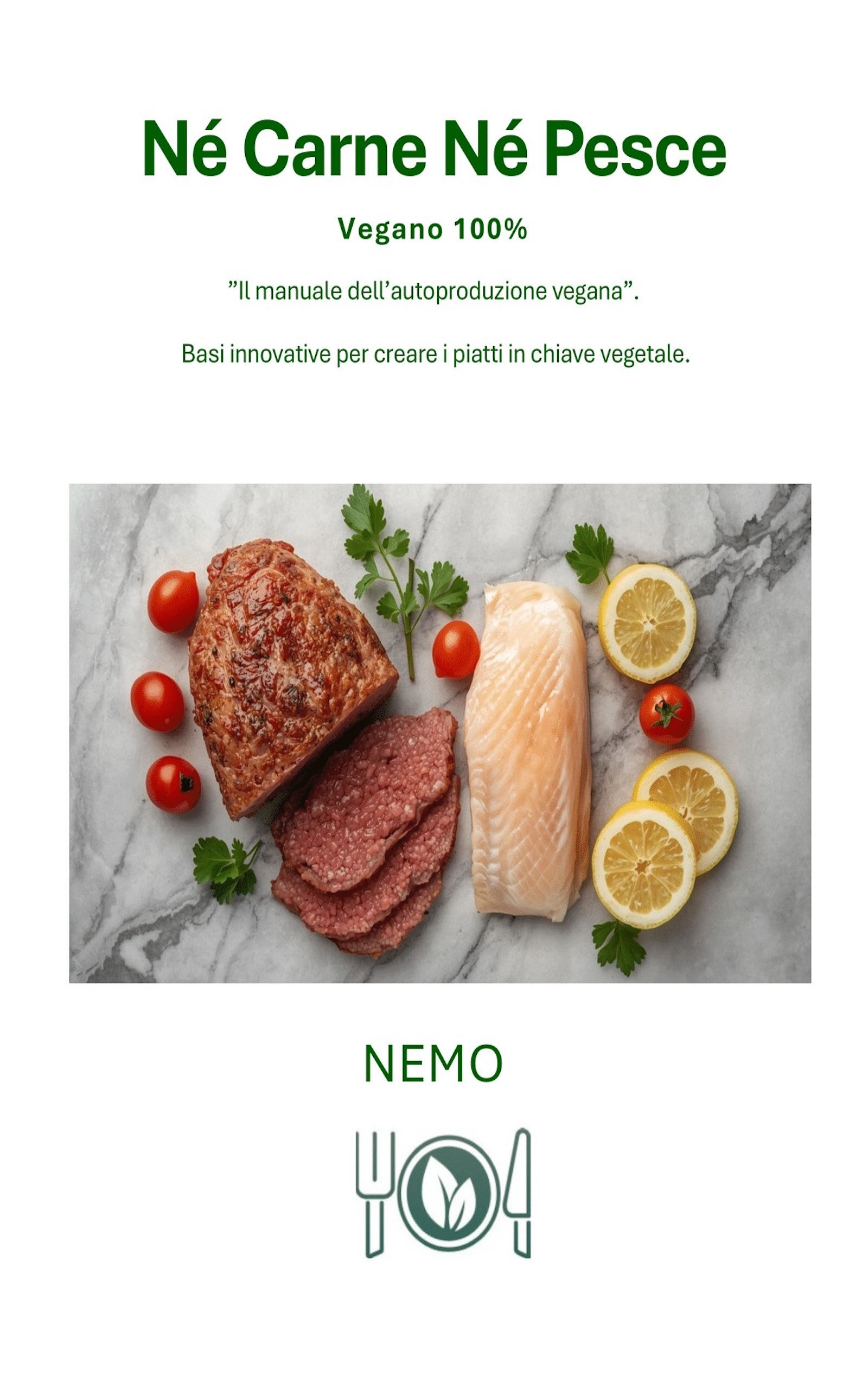
Un ricettario convincente e coinvolgente. L'autore tiene insieme benissimo ricette originali e la storia e il pensiero che stanno dietro alla sostituzione della carne. La cura dei dettagli e il modo sincero e sentito con cui affronta l'argomento arrivano al lettore.
Il cuore di questo libro è il modo in cui l'autore racconta la storia delle alternative alla carne. La cura dei dettagli è notevole, perché non guarda soltanto a quello che funziona oggi, ma anche ai tentativi falliti del passato e al motivo per cui le alternative di oggi funzionano come funzionano. Unire tutto questo a ricette davvero buone, come le lasagne vegane, le polpette vegane e gli hamburger, aiuta ad avvicinare chi ama i piatti di carne a chi è interessato a passare alla cucina vegana senza perdere il tocco italiano.
Meditato, coinvolgente e capace di ispirare, «Neither Meat Nor Fish» di Nemo è un libro da leggere. Per chi ha voglia di conoscere la storia e il pensiero del veganismo, si interessa di cucina italiana e vuole preparare versioni buone dei propri piatti preferiti senza carne, questo libro arriva davvero.
Testo originale inglese
This cookbook was compelling and engaging. The author does a fantastic job balancing unique recipes with the history and philosophy behind replacing meat with non-meat substitutes. The attention to detail and the honest, heartfelt way the author explores the subject matter will resonate with readers.
The heart of this book was how the author explored the history of non-meat options. The attention to detail is great, as the author considers not only what works now, but also the history behind failed attempts and why today’s non-meat options work the way they do. Pairing that with truly delicious recipes such as vegan lasagna, vegan meatballs, and hamburgers will help bridge the gap between those who really enjoy meat-based food and those interested in switching to vegan cooking while still keeping that Italian flair.
Thoughtful, engaging, and inspiring, Author Nemo’s “Neither Meat Nor Fish” is a must-read non-fiction cookbook. For those who enjoy learning about the history and philosophy of veganism, share an interest in Italian cuisine, and want to make delicious non-meat versions of their favorite recipes, this book will really resonate.
Vol. 6 · Salse, Sughi e Condimenti
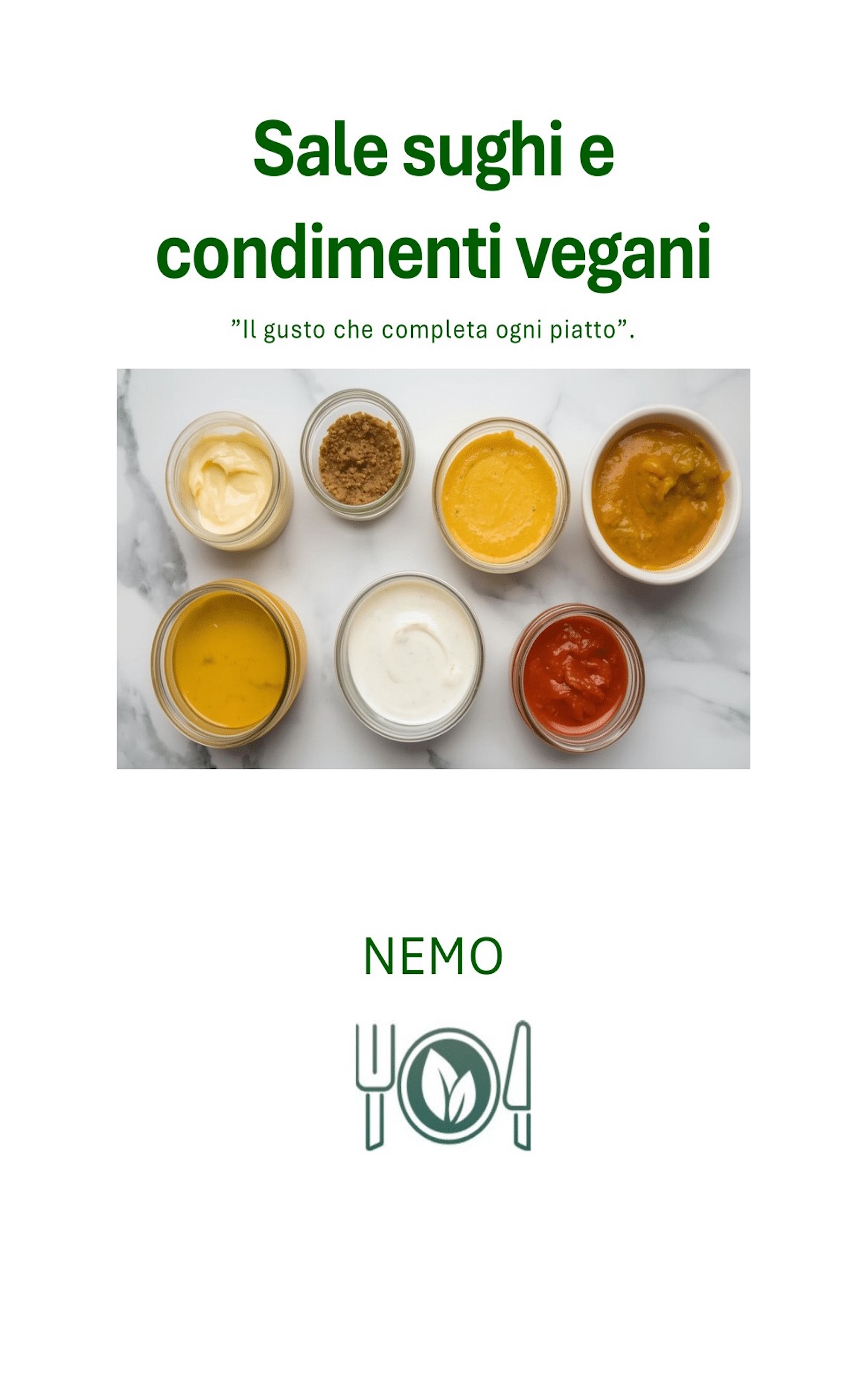
Un altro ricettario bellissimo di questa collana. L'autore tiene insieme le tecniche e i metodi per fare queste salse da zero e ricette forti e invitanti, che chi si avvicina al veganismo apprezzerà moltissimo. Soprattutto, la capacità dell'autore di mostrare come tutti i sapori vengano naturalmente dalla terra, e il procedimento che trasforma gli ingredienti nell'emulsione, offrono al lettore uno sguardo dietro le quinte su quello che serve per dare vita a queste ricette.
Ho apprezzato anche il modo in cui l'autore fa vivere queste tecniche e mostra come il rispetto degli ingredienti porti sapore nelle ricette, con salse notevoli che mi hanno fatto venire voglia di provarle. In particolare, un pesto originale con pomodori secchi e mandorle sembra davvero ottimo. Sono ricette che coinvolgono e a cui si torna volentieri, tante volte.
Convincente, informativo e coinvolgente, «Vegan Sauces, Gravies and Condiments» di NEMO è un ricettario da leggere per chiunque si interessi di cucina vegana e di cucina italiana. Il modo in cui l'autore intreccia questa esplorazione di ingredienti che nascono in natura, e in Italia in particolare, con il loro impiego in salse e intingoli di ogni genere ne fa un libro bellissimo per chi vuole avvicinarsi a questa cucina.
Testo originale inglese
This was yet another fantastic cookbook in this cookbook series. The author does a fantastic job balancing the techniques and methods for making these sauces from scratch with powerful, delicious-sounding recipes that anyone hoping to get into veganism will thoroughly enjoy. In particular, the author’s ability to hone in on how all flavors come naturally from the Earth, and on the transformative process of emulsification, gave readers a behind-the-scenes glimpse into what it takes to bring these recipes to life.
I also appreciated that the author brought these techniques to life and showed how respecting these ingredients brings flavor to the recipes, featuring fantastic sauces that left me eager to try them. In particular, a unique pesto made with sun-dried tomatoes and almonds sounded especially delicious. These recipes engage the reader and offer great references to return to time and time again.
Compelling, informative, and engaging, Author NEMO’s “Vegan Sauces, Gravies and Condiments” is a must-read cookbook for anyone interested in vegan cooking and Italian cuisine. The way the author is able to tie this unique exploration of ingredients that are natural in the world, but especially in Italy, and utilize them for delicious sauces and dips of any kind makes this a fantastic book for readers looking to get into this kind of cooking.
Vol. 7 · Pane Pizza e Basi Salate
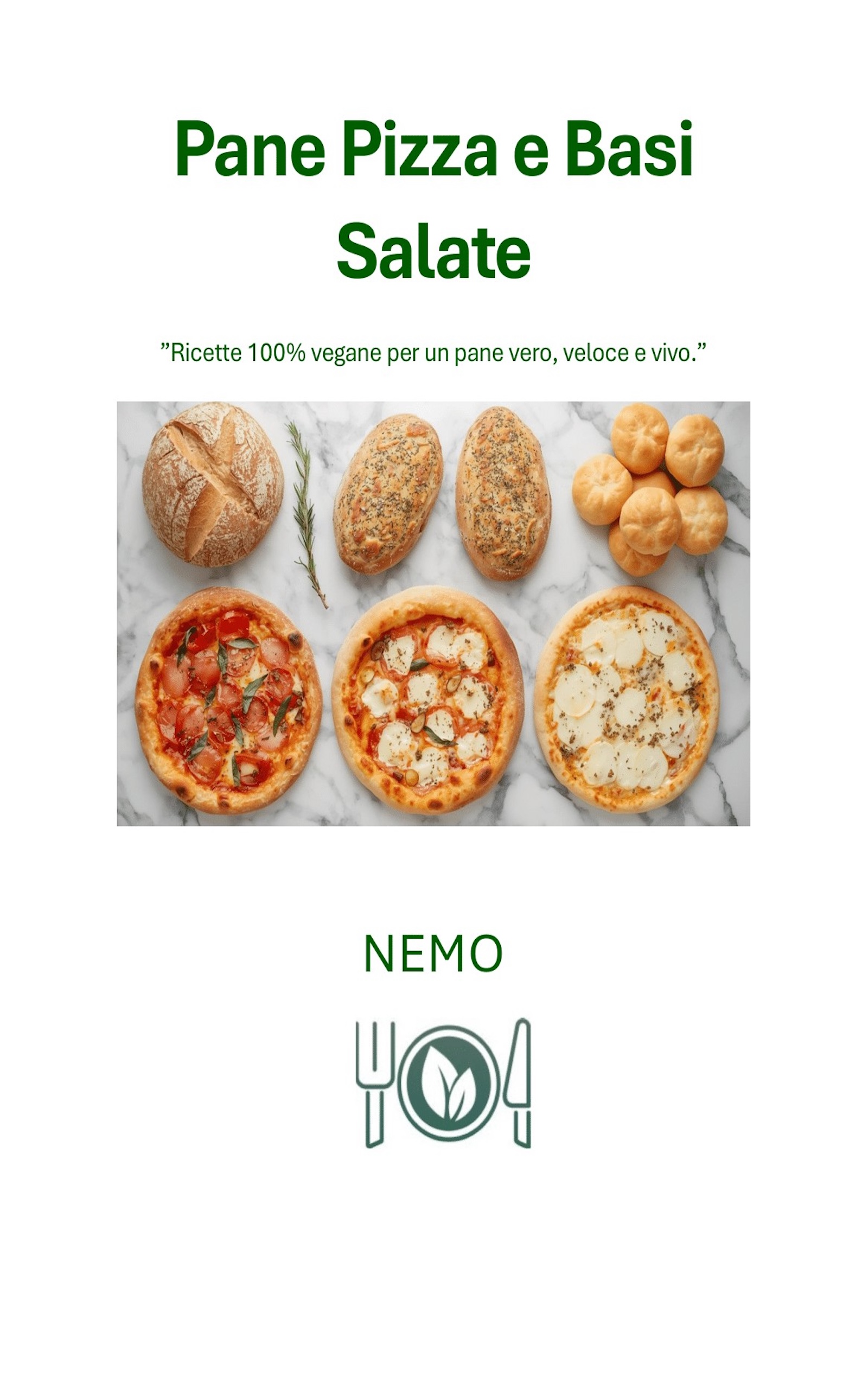
Un altro ricettario convincente di questa collana vegana. L'autore mette in contatto chi non ha mai cucinato piatti vegani con l'arte e il legame profondo che tante persone hanno con la panificazione, ed è sorprendente. Riesce anche a spiegare benissimo perché fare il pane sia tanto amato: non è solo un ricordo, è sopravvivenza e speranza lungo tutta la storia umana, e permette di legarsi alla natura attraverso gli ingredienti e il gesto stesso di impastare, che lungo la storia è stato spesso la linea che divide la fame dal sopravvivere.
Questo legame sentito con il pane si tiene in perfetto equilibrio con le tante ricette che il libro contiene. L'autore descrive con chiarezza ricette e ingredienti vegani per ogni preparazione, compresa la focaccia, che è uno dei pani italiani preferiti di chi scrive.
Un bel punto di riferimento per fare pani di tradizione italiana di alta qualità con ingredienti vegani di alta qualità, «Bread, Pizza and Savory Bases» di Nemo è un ricettario vegano da leggere. Raccoglie molte ricette notevoli, usa diversi ingredienti vegani e insieme racconta una storia ricca della panificazione, che va oltre la cucina italiana vegana e parla al cuore della capacità di tante culture di imparare e di cucinare bene.
Testo originale inglese
This was yet another compelling cookbook in this vegan cookbook series. The author connects readers who may never have cooked vegan food before with the artistry and heartfelt connection many people have with baking bread; it is astonishing. The author also does a fantastic job of honing in on why baking bread is so revered by so many people, as it’s not only a point of nostalgia but a point of survival and hope throughout human history, allowing people to connect with nature on Earth through the ingredients and the physical act of kneading dough, which throughout history has often been the line between going hungry and surviving.
This heartfelt connection to baking bread is perfectly balanced with the many recipes readers can find in this book. The author clearly describes and uses vegan recipes and ingredients for each recipe in the book, including focaccia bread, a personal favorite Italian bread of this reader.
A great reference for making high-quality Italian-based breads with high-quality vegan ingredients, Author Nemo’s “Bread, Pizza and Savory Bases” is a must-read vegan cookbook. It features many fantastic recipes and uses several vegan ingredients, plus a rich history of making bread that surpasses vegan Italian cuisine and speaks to the heart of many cultures’ ability to learn and cook great food.
Vol. 8 · Dolci e Grandi Lievitati Vegani
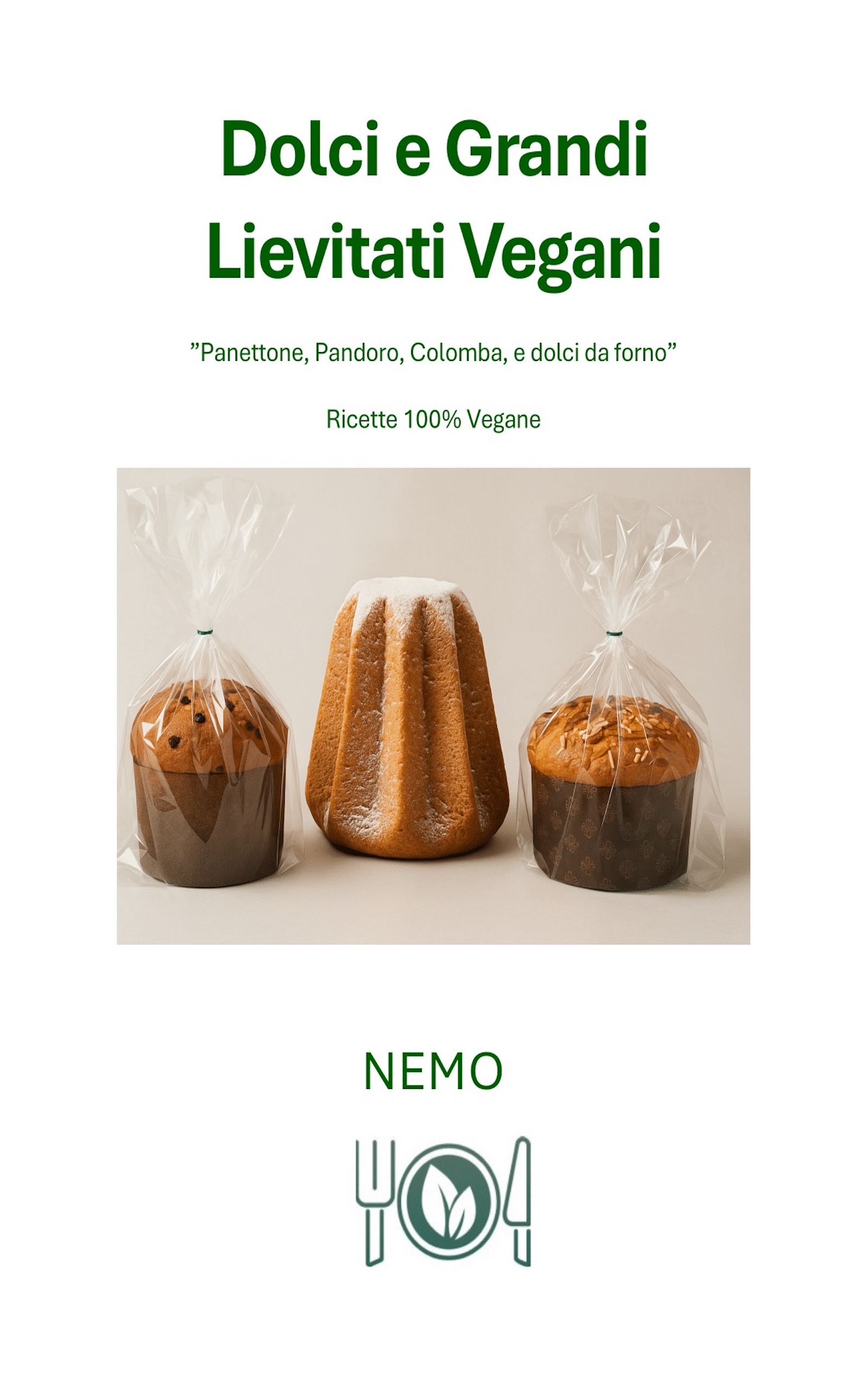
Un ricettario italiano vegano più rapido, e insieme più ricco. L'attenzione ai dolci è una bella pausa dopo le ottime ricette salate che la collana ha offerto finora. L'autore mette bene in luce gli ingredienti che sostituiscono uova, latte e derivati e altri ingredienti ancora, e punta su alternative vegane solide che mantengono i sapori forti che da queste ricette ci si aspetta.
L'autore dà vita a queste ricette con misura e maestria. Il libro è diviso in quattro parti uguali, dai pani e dalle torte ai biscotti e ad altri dolci da forno, con in più basi solide per altri dessert. Una delle mie preferite, che non conoscevo, è la focaccia dolce, che unisce uno dei miei pani italiani preferiti a un tocco dolce davvero invitante.
Un libro di riferimento rapido e ben fatto per chi vuole preparare dolci italiani vegani, «Vegan Desserts and Large Leavened Products» di Nemo è un ricettario di dolci della cucina italiana da leggere per chi ama la cucina vegana. Le ricette ricche e golose di questo libro parleranno a chi ama i dolci e faranno tornare i lettori a cercarne di nuove.
Testo originale inglese
This was a much quicker, yet richer, Italian vegan cookbook. The focus on sweet and delicious desserts was a great break from the amazing savory recipes this series has offered so far. The author does a great job highlighting ingredients that forgo eggs, dairy, and other ingredients, instead focusing on strong vegan replacements that keep the powerful flavors people expect from these amazing recipes.
The author brings these recipes to life succinctly and expertly. The book is divided into four equal sections, from breads and cakes to biscuits and other pastries, plus solid bases for other desserts. One personal favorite I had never heard of before was sweet focaccia bread, combining one of my favorite Italian breads with a dessert twist that sounds absolutely delicious.
A fast-paced, great reference book for those looking to make delicious vegan Italian desserts, Author Nemo’s “Vegan Desserts and Large Leavened Products” is a must-read Italian cuisine dessert cookbook for those who love vegan cooking. The rich, delicious recipes in this cookbook will resonate with dessert lovers and keep readers coming back to discover new and exciting vegan recipes.
Vol. 9 · Bevande e Cibi Fermentati
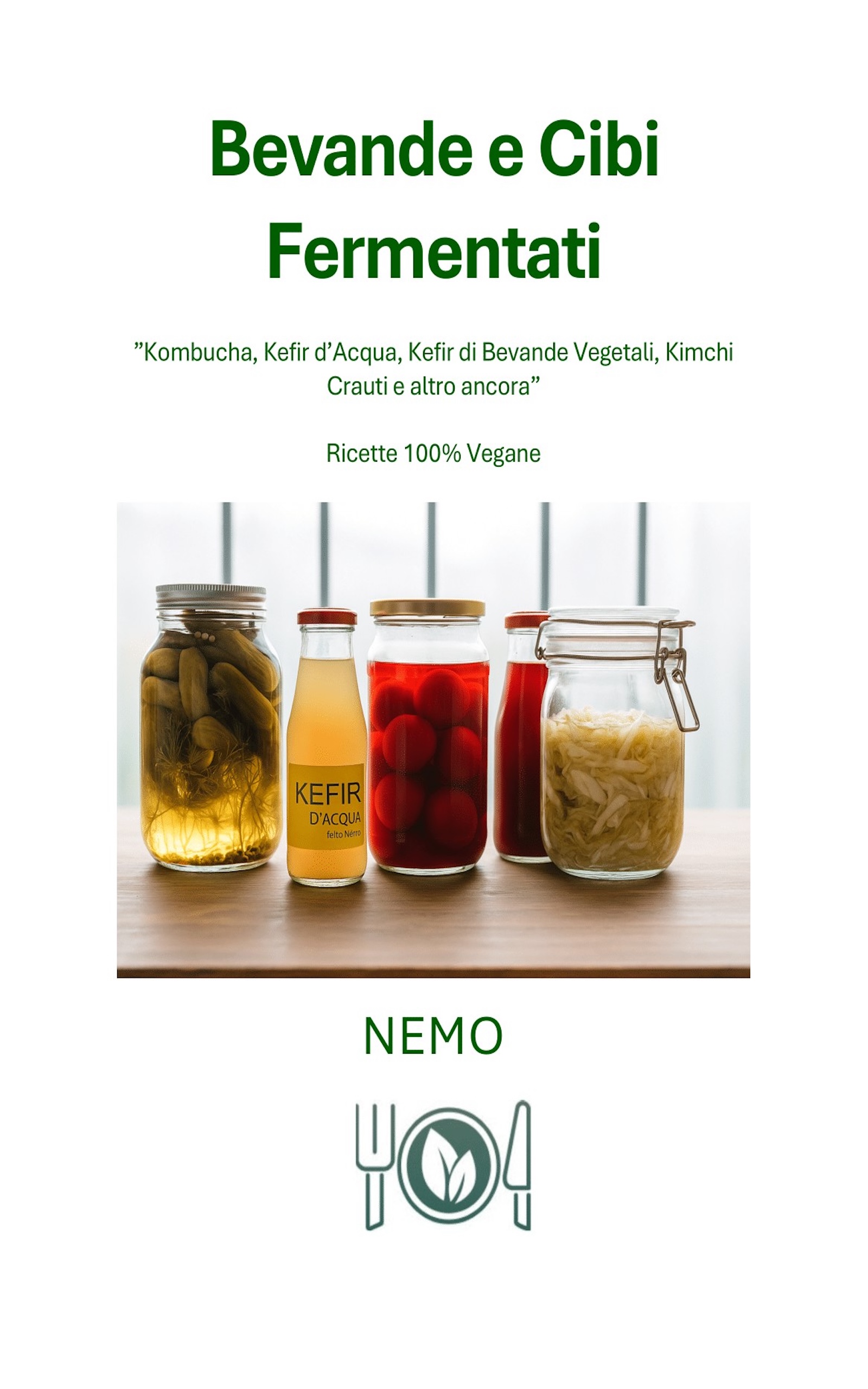
Un altro sguardo rapido e sintetico sulla cucina vegana, per chi vuole capire e cominciare a fermentare le proprie bevande e le proprie salse. Le ricette di questo libro sono particolari non solo perché sono buone, ma anche per l'impianto scientifico, dato che l'autore spiega con chiarezza il processo di fermentazione. Dalla scelta dei contenitori giusti alla comprensione delle temperature adatte e ad altro ancora, il libro offre un'analisi dettagliata della fermentazione, così che i lettori capiscano come funzionano queste ricette.
Una volta compresa la scienza dietro la fermentazione e il procedimento di ogni ricetta, i lettori possono preparare bevande notevoli e salse molto buone, da gustare da sole o da usare in altre ricette vegane. Una delle mie preferite, in questo libro, è una delle ultime ricette: la pasta di peperoncino fermentata, che aggiunge piccantezza e calore ad altre preparazioni per dare più sapore.
Una raccolta di bevande e salse vegane fermentate, buone e costruite sulla scienza: «Fermented Foods and Beverages» di Nemo è un ricettario vegano della cucina italiana da leggere. Il dettaglio e la conoscenza che l'autore trasmette sulla fermentazione, insieme a ricette buone che mostrano il procedimento, faranno tornare i lettori a consultare questo libro molte volte.
Testo originale inglese
This is another fast-paced, concise look at vegan cooking for those who want to understand and start fermenting their own drinks and sauces. The recipes in this book are unique not only for their deliciousness, but also for their scientific approach, as the author clearly explains the fermentation process. From choosing the right containers for fermenting these recipes to understanding the right temperatures for the process and more, the book provides detailed analysis of fermentation so readers can understand how these recipes work.
After understanding the science behind fermentation and the process for each recipe, readers can make amazing drinks and fantastic sauces for individual enjoyment and for use in other vegan recipes. A personal favorite in this book was one of the last recipes: fermented chili paste, which adds spice and heat to other recipes for extra flavor.
A science-driven, delicious collection of fermented vegan drinks and sauces, Author Nemo’s “Fermented Foods and Beverages” is a must-read Italian-cuisine vegan cookbook. The detail and knowledge the author imparts about fermentation, along with delicious recipes that showcase the process, will keep readers returning to reference this book time and time again.
Vol. 10 · Il Koji: Produzione e Applicazioni
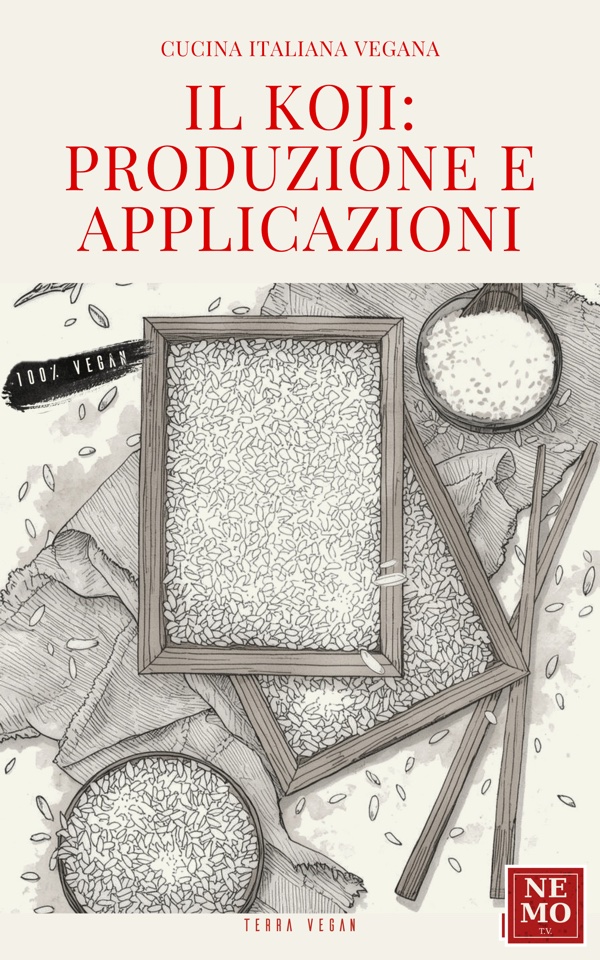
Questo è il ricettario più originale e coinvolgente della serie finora. L'autore riesce in modo straordinario a costruire e a dosare un sano equilibrio fra storia e scienza nell'esplorare questa muffa particolare. Invece di concentrarsi su ricette precise, l'autore si prende il tempo di mostrare come questa muffa sia stata usata in Giappone e come sia arrivata nel nostro mondo moderno, e spiega in termini scientifici come la muffa agisca e come vada preparata.
L'autore scompone molto bene l'intero procedimento per fare il kome-koji, dalla scelta e dal lavaggio del riso giusto ai tempi dell'incubazione e alla stabilizzazione durante l'essiccazione. Le ricette di questo libro sono originali: mostrano come si usa il kome-koji per preparare l'acqua di koji e la pasta di koji, oltre al koji fresco e all'amazake, e gettano le fondamenta dei libri successivi della serie, nei quali il koji diventa la base degli argomenti che seguono.
Interessante, coinvolgente e memorabile, «Koji: Production and Applications» di NEMO è un ricettario di saggistica sulla cucina italiana vegana, da leggere assolutamente. Il suo equilibrio originale fra storia e biologia, e il procedimento scientifico con cui il libro dà vita a questa base per le ricette future, ne fanno una lettura notevole, che spinge i lettori a capire meglio gli ingredienti che mettono nel proprio corpo e ciò che il mondo naturale crea.
Testo originale inglese
This was the most unique and engaging cookbook in this series to date. The author does an incredible job crafting and curating a healthy balance of history and science when exploring this specific mould. Rather than focusing on specific recipes, the author takes time to highlight how this mould was used in Japan and how it has translated into our modern world, as well as the science of how the mould works and how it needs to be prepared.
The author does a great job breaking down the entire process of making Kome-Koji, from selecting and washing the right rice to the incubation timeline and stabilization during drying. The recipes found in this book are unique, exploring how Kome-Koji is used for Koji Water and Koji Paste, as well as fresh Koji and Amazake, and laying the foundation for future books in this series as Koji becomes the base of future topics.
Interesting, engaging, and memorable, author NEMO’s “Koji: Production and Applications” is a must-read nonfiction cookbook for vegan Italian cuisine. The book’s unique balance of history and biology, and its scientific process for bringing this base to life for future recipes, make for a remarkable read that pushes readers to better understand the ingredients they put into their bodies and what the natural world creates.
Vol. 11 · Il Koji in Cucina: Né Carne Né Pesce
Un ricettario acuto e coinvolgente. L'autore continua a occuparsi del koji e del modo in cui lo si può usare nella cucina vegana, ma lascia l'esplorazione puramente scientifica e storica del volume 10 della serie e mette invece all'opera questo procedimento e questo ingrediente così particolari: ne ricava basi potenti e usa quelle basi per ottenere ingredienti gustosi per piatti che si possono preparare da sé. L'autore segnala anche i problemi che possono nascere se il procedimento non viene eseguito con precisione, e il libro aiuta i lettori a risolverli, così che possano usare questo ingrediente da soli.
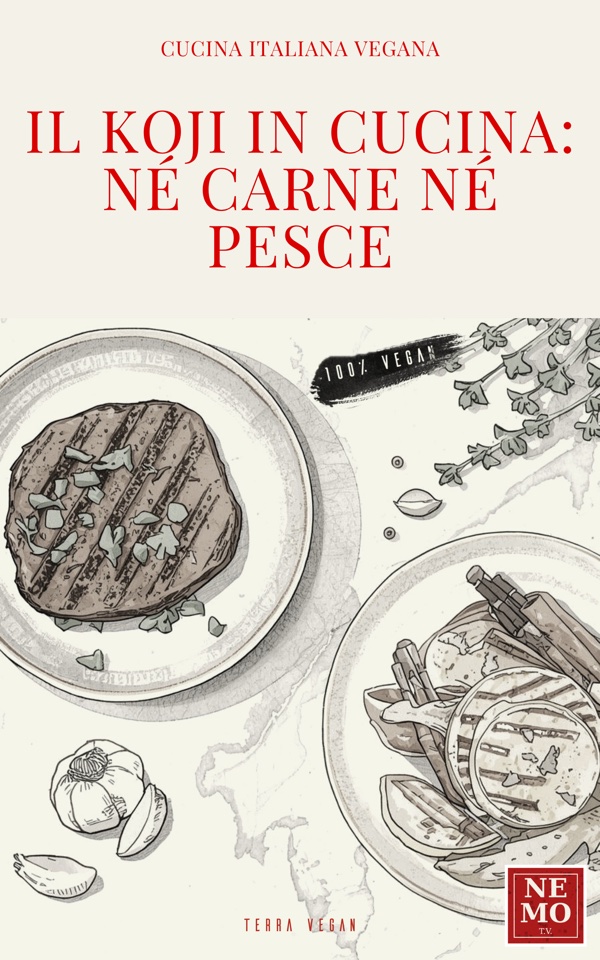
Il libro riporta anche i lettori alla preparazione di ricette gustose. Con questo procedimento il koji dà vita a molte ricette straordinarie, fra cui una delle preferite di chi scrive, quella di polpette e hamburger; il procedimento particolare per sviluppare una base che richiama la carne rossa rende questa ricetta ancora più intrigante.
Coinvolgente, acuto e originale, «Koji in the Kitchen» di Nemo è un ricettario di saggistica sulla cucina italiana vegana, da leggere assolutamente. Esplorare gli ingredienti e le pratiche legati al koji, e permettere ai lettori di applicarli ad altre ricette gustose, amplia in modo originale la comprensione di una cucina vegana naturale e saporita che molti non capiscono davvero fino in fondo, e l'autore costruisce alla perfezione questo ricettario perché parli al grande pubblico, ovunque.
Testo originale inglese
This cookbook was insightful and engaging. The authors’ continued focus on Koji and how it can be utilized for vegan cuisine moved on from the pure scientific exploration in history that was found in volume 10 of the series, and instead put this unique process and ingredient to use, informing powerful bases and using those bases to form delicious ingredients in foods that people can prepare themselves. The author also highlights issues that can arise if the process isn’t done precisely, and the book helps readers troubleshoot the process so they can use this ingredient themselves.
The book also brings readers back to developing delicious recipes. Using this process, Koji makes many amazing recipes, including one of this reader’s personal favorites: meatballs and burgers, and the unique process of developing a red-meat base makes this recipe even more intriguing.
Engaging, insightful, and unique, Author Nemo’s “Koji in the Kitchen” is a must-read non-fiction vegan Italian cuisine cookbook. Getting to explore the ingredients and practices involving Koji and allowing readers to be able to put this into practice for more delicious recipes expands upon people’s understanding of natural and delicious vegan cooking in a unique way that many do not fully understand themselves, and the Author perfectly crafts this cookbook to speak to general audiences everywhere.
Vol. 12 · Non Salumi Vegani al Koji
Un capitolo davvero affascinante e coinvolgente di questa serie di ricettari vegani. Gli affettati e i taglieri di salumi sono fra le tradizioni più antiche in tutto il mondo, e in particolare nella cultura americana, e trovare il modo di imitarne la lavorazione è una sfida particolare per chi sviluppa alternative vegetali alla carne. L'autore tiene molto bene in equilibrio la parte di ricette del libro con un forte accento sugli ingredienti e sui procedimenti che danno a queste carni vegetali tutto il sapore che hanno.
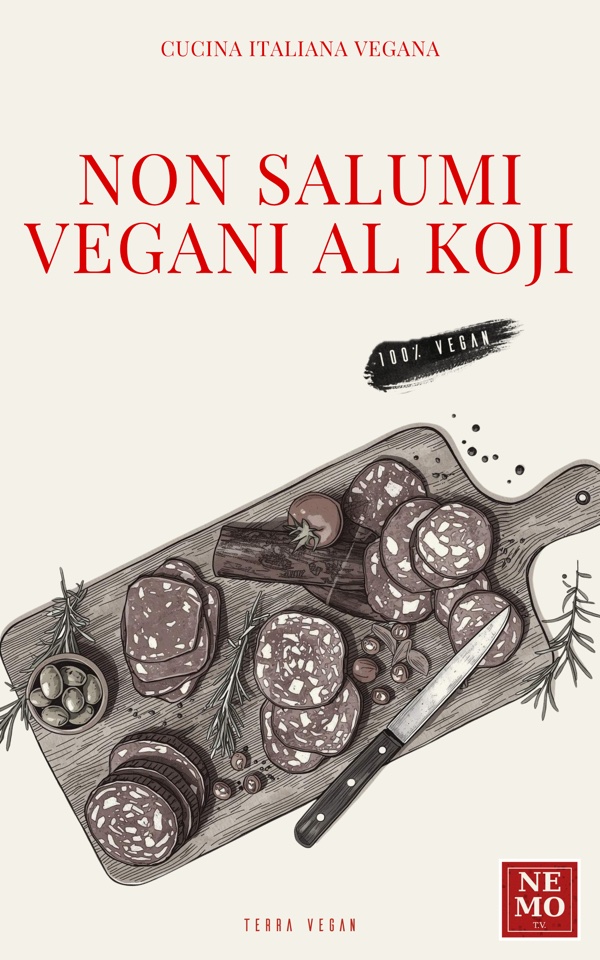
Il procedimento che usa il koji per dare a queste carni vegetali un gusto stagionato è affascinante da leggere. L'esplorazione del glutine e della farina, insieme al koji, per trasformare il prodotto in qualcosa che ricorda gli affettati e i salumi stagionati è ben documentata e spiegata con chiarezza dall'autore, che accompagna i lettori nel procedimento di stagionatura e mostra nel libro i prodotti finiti, fra cui una ricetta di pancetta arrotolata a mano con il koji.
Scritto con cura, coinvolgente e acuto, «Non-Cold Cuts Veg with Koji» di Nemo è un ricettario di saggistica da leggere assolutamente, e un'immersione profonda nella cucina italiana vegana. Spiega la scienza che sta dietro alla creazione di queste carni vegetali e come dar loro il sapore della carne. Sono pensate per riprodurre la carne, e accompagnare i lettori nel procedimento perché possano rifarlo a casa mette ancora più in risalto il koji come prodotto.
Testo originale inglese
This was such a fascinating and engaging entry in this vegan cookbook series. Cold cuts and charcuterie boards are among the oldest traditions, especially in American culture and worldwide, and finding ways to mimic that process is a unique challenge for those developing plant-based meat options. The Author does a great job balancing the recipe portion of the book with a strong emphasis on the ingredients and processes that make these plant-based meats taste as flavorful as they do.
The process of using koji to give these plant-based meats an aged taste was fascinating to read about. The exploration of gluten and flour, in conjunction with Koji, to transform the product into something reminiscent of cold cuts and cured meats was well documented and clearly explained by the author. The author walks readers through the curing process and shows finished products on the page, including a recipe for hand-rolled pancetta using Koji.
Thoughtfully written, engaging, and insightful, Author Nemo’s “Non-Cold Cuts Veg with Koji” is a must-read non-fiction cookbook and deep dive into vegan Italian cuisine. It explains the science behind creating these plant-based meats and how to make them taste like meat. They are meant to replicate meat, and walking through the process so readers can do it at home puts more emphasis on Koji as a product.
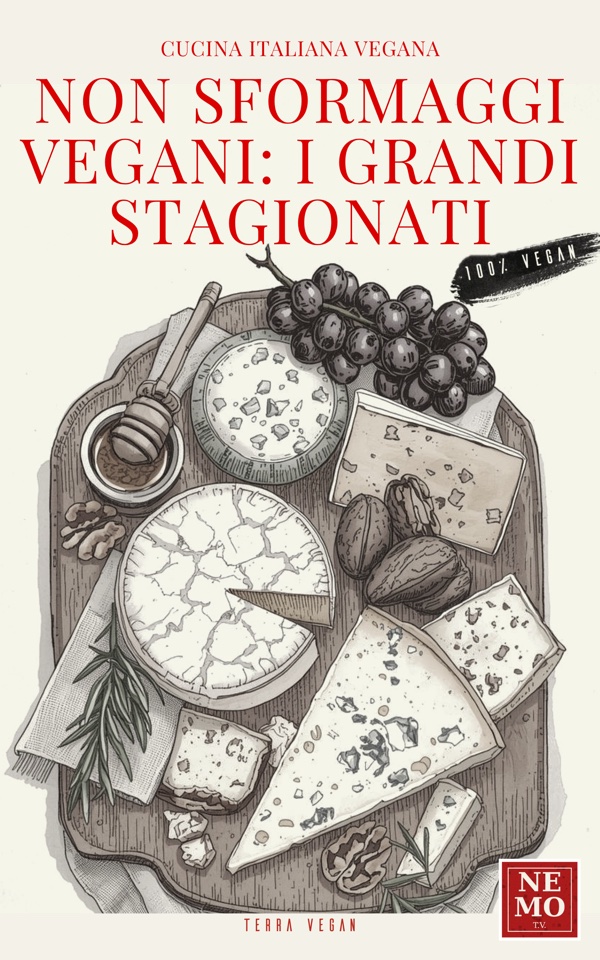
Vol. 13 · Non Sformaggi Vegani: I Grandi Stagionati
Un altro capitolo straordinario di questa serie di ricettari vegani: questo libro prende una piega interessante, perché esplora le tre muffe nobili che sono alla base dei formaggi vegani. Un aspetto davvero affascinante del libro è vedere quanto tempo e quanta pazienza richieda questo procedimento. Il libro documenta in profondità ogni muffa e il suo comportamento.
L'autore non ha risparmiato nessun dettaglio nel costruire questo libro, non solo sulle tre muffe, ma anche sulle diverse camere in cui queste muffe devono crescere e sulle condizioni da rispettare perché si sviluppino bene settimana dopo settimana, e perfino sulle varie spezie e sui vari ingredienti che possono esaltare il sapore dei formaggi mentre stagionano: ne nascono bellissime forme che imitano i prodotti caseari con ingredienti vegetali.
Meditato, dettagliato e coinvolgente, «Vegan Non-Cheeses» di Nemo è un ricettario vegano italiano da leggere assolutamente per chi ama i ricettari di saggistica. Le ricette elaborate e i procedimenti delicati che l'autore descrive, insieme a una scrittura diretta, permettono ai lettori di metterli in pratica.
Testo originale inglese
Another fantastic entry in this vegan cookbook series, this book took an interesting turn as it explored the three noble molds that form the basis of vegan cheeses. One aspect of this book that was really intriguing was seeing how much time and patience this process takes. The book documented the depth of detail and exploration of each mold and how it behaves.
The author spared no detail in crafting this book, not only with regard to the three molds, but also the various chambers that these molds have to grow in and the conditions that need to be met for them to succeed week by week, and even the various spices and ingredients that can help enhance the flavor of the cheeses as they mature, creating beautiful wheels of cheese to mimic dairy-based products using plant-based ingredients.
Thoughtful, detailed, and engaging, Author Nemo‘s “Vegan Non-Cheeses” is a must-read vegan Italian cookbook for fans of nonfiction cookbooks. The intricate recipes and delicate procedures the author outlines, along with the straightforward writing, let readers put them into practice.
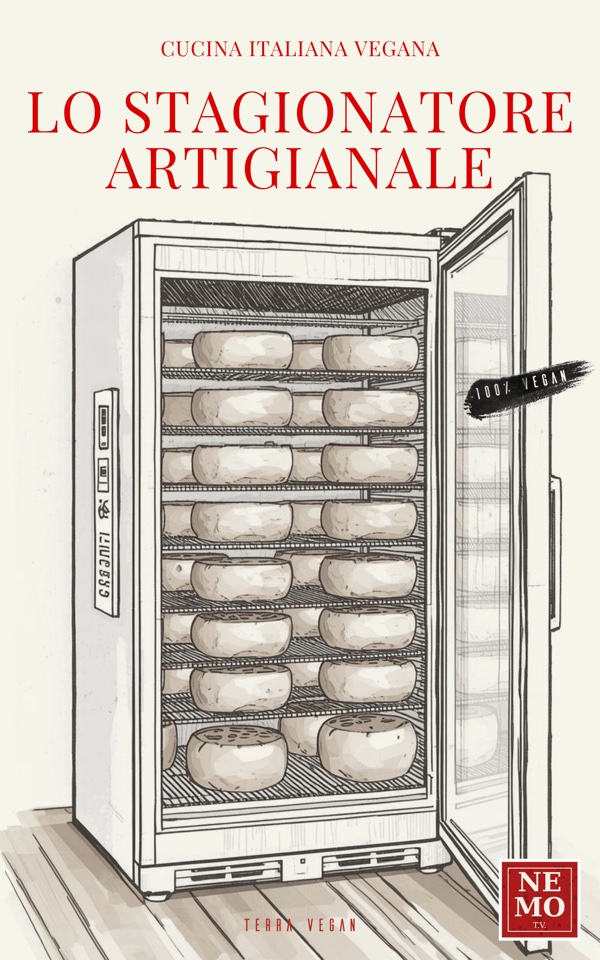
Vol. 14 · Lo Stagionatore Artigianale
Questo libro aggiunge alla serie di ricettari un capitolo nuovo, originale e convincente. Invece di puntare su ricette precise, il libro si concentra sulle caratteristiche tecniche e sulla preparazione necessarie per costruire l'attrezzatura che permetterà di realizzare le ricette di queste carni e di questi formaggi vegani con il koji. L'autore descrive a fondo l'attrezzatura che serve per stagionare queste carni e altri prodotti, con uno stile sintetico e concreto, aiutando i lettori a capire fino in fondo il procedimento necessario per realizzarla.
La ricchezza di dettagli che l'autore offre è straordinaria, perché permette al lettore di capire non solo i materiali necessari per costruire queste camere di stagionatura, ma anche come ogni materiale fa funzionare la camera e che effetto ha sugli ingredienti usati per stagionare questi prodotti vegani. Il libro spiega anche a fondo perché le carni vegane e i formaggi vegani vanno stagionati separatamente e che cosa succede se non lo si fa, sottolineando quanto sia complesso e fondamentale capire questi prodotti nel loro insieme.
Convincente, stimolante e coinvolgente, «The Artisan Curing Chamber» di Nemo è una guida e un manuale da leggere assolutamente per costruire in casa camere di stagionatura vegane, e un libro di saggistica approfondito per chi ama i ricettari vegani. Le intuizioni e le conoscenze che i lettori ricavano da questo libro non solo chiudono la serie di libri dedicati al koji, ma gettano anche le basi per ottenere ingredienti vegani migliori per la cucina vegana in generale.
Testo originale inglese
This book adds a unique and compelling new entry into this cookbook series. Rather than focusing on specific recipes, this book focuses on the specs and preparation needed to make the equipment that will help generate recipes for these vegan meats and cheeses using this Koji product. The author provides in-depth detail on the equipment needed to cure these meats and other products, and does so in a succinct, matter-of-fact way that helps readers fully understand the process needed to make this a reality.
The detail the author provides is fantastic, as it lets the reader understand not only the materials needed to build these curing chambers, but also how each product makes the chamber function and what it does for the ingredients used to cure these vegan products. The book also goes into depth on why vegan meats and vegan cheeses should be cured separately and what happens if they aren’t, emphasizing how intricately detailed and vital it is to understand these products as a whole.
Compelling, thought-provoking, and engaging, Author Nemo’s “The Artisan Curing Chamber” is a must-read guide and manual for building home vegan curing chambers, and an in-depth non-fiction read for those who enjoy vegan cookbooks. The insight and knowledge readers gain from this book not only wrap up the series of books that delve into Koji, but also lay the foundation for building better vegan ingredients for vegan cooking overall.
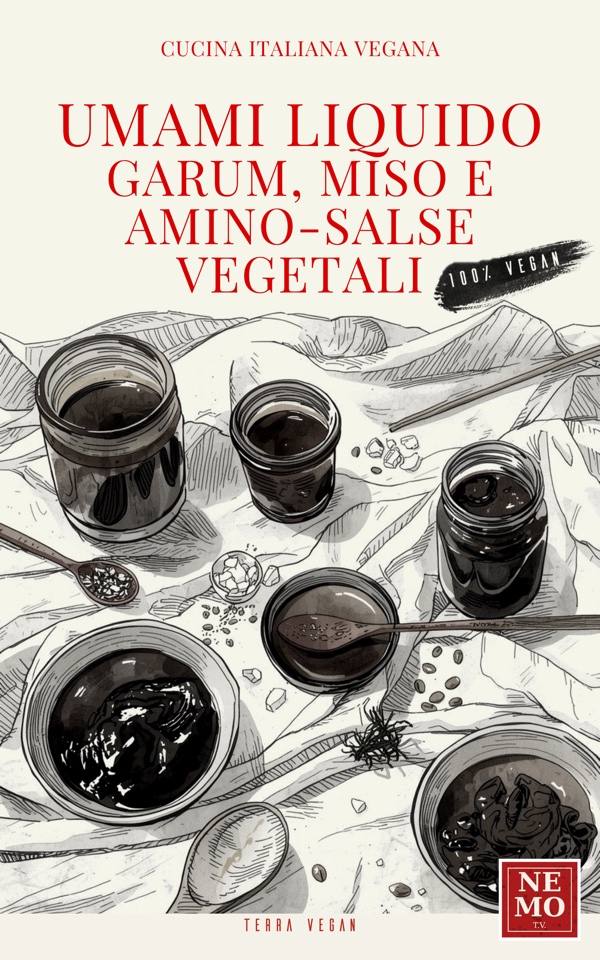
Vol. 15 · Umami Liquido: Garum, Miso e Amino-Salse Vegetali
Un volume originale e convincente di questa serie di ricettari. L'autore riesce in modo straordinario a cogliere l'essenza e la scienza che stanno dietro ai sapori e alla funzione dei prodotti vegani ricchi di umami, come il miso e altri. Il modo in cui ogni capitolo non solo si concentra sulle differenze fra fermentazione solida e liquida quando si parla di koji, ma include anche la storia di questi prodotti, come il garum vegetale e il suo uso radicato nella storia del Mediterraneo, permette al lettore di comprendere fino in fondo la forza di questi ingredienti naturali e i modi in cui si possono lavorare e usare per dare ancora più sapore a queste ricette vegane.
Invece di ricette tradizionali o complesse, questa lettura corposa si concentra su come usare questi prodotti in ricette già esistenti. Un capitolo in particolare mostra l'uso del miso con le carni vegane non stagionate, mescolato con olio d'oliva e pepe di Sichuan per dare profondità di sapore al posto delle solite salse da intingere. Sono intuizioni come queste che i lettori ricavano mentre imparano a portare l'umami in queste ricette.
Curato con attenzione, coinvolgente e memorabile, «Liquid Umami» di Nemo è un ricettario vegano di saggistica da leggere assolutamente. Il libro è dettagliatissimo e aiuta i lettori a capire in modo più completo e approfondito la necessità di dare sapore a queste ricette e che cosa fa ogni prodotto per esaltarne i sapori specifici, bilanciando tutto questo con processi scientifici come la fermentazione e con la ricca storia di questi prodotti, il che permette ai lettori di apprezzare di più la cucina vegana quando la approfondiscono.
Testo originale inglese
This was a unique and compelling entry in this cookbook series. The author does a phenomenal job of capturing the essence and science behind the flavors and function of umami vegan products such as miso and others. The way each chapter not only focuses on the differences between solid and liquid fermentation when it comes to Koji, but the way that the author also incorporates the history behind these products, such as vegetable garum and its profound use throughout Mediterranean history, allows the reader to fully grasp the power of these natural ingredients and the ways in which they can be manipulated and used to bring even more flavor to these vegan recipes.
Rather than traditional or complex recipes, this lengthy read focuses on how these products can be used with already made recipes. One chapter in particular highlighted using miso with non-cured vegan meats, mixing it with olive oil and Szechuan pepper to add depth of flavor instead of standard dipping sauces. These are the kinds of insights readers can gain as they learn how to incorporate umami into these recipes.
Thoughtfully curated, engaging, and memorable, Author Nemo’s “Liquid Umami” is a must-read non-fiction vegan cookbook. This book is incredibly detailed and helps readers to fully and more expertly understand the need to infuse flavor into these recipes and what each product does to bring out their specific flavorings, balancing this with Xentix processes like fermentation and rich histories behind these products that allow readers to have a better appreciation when delving into vegan cooking.
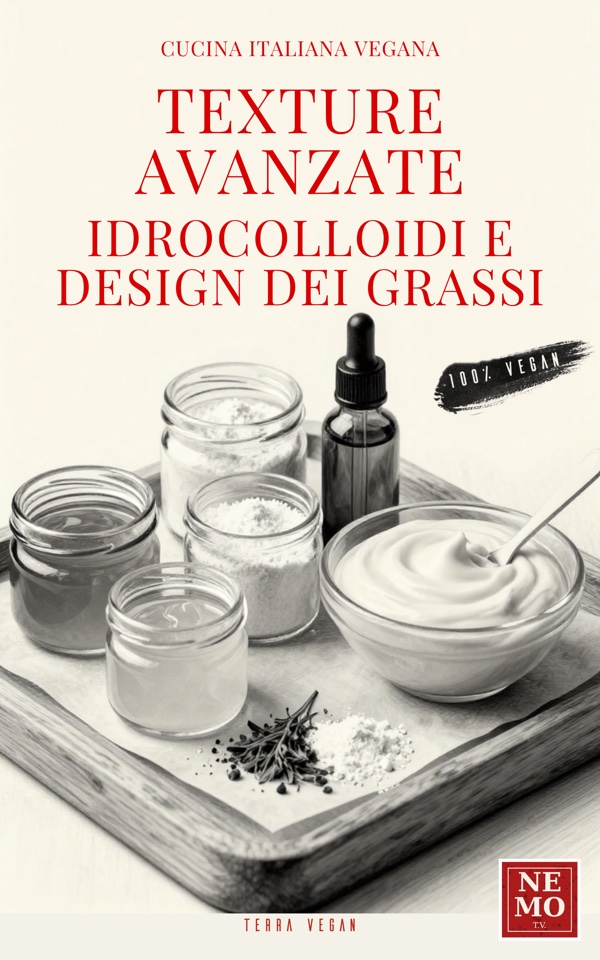
Vol. 16 · Texture Avanzate: Idrocolloidi e Design dei Grassi
Un capitolo originale e straordinario di questa serie di ricettari vegani. Lasciando da parte i sapori e le tecniche per insaporire, l'autore si è preso il tempo di concentrarsi su qualcosa di cui nei ricettari si parla raramente quanto del sapore: la consistenza. Per fare carni, formaggi, salse vegani e altro, bisogna capire la consistenza e saperla ottenere.
L'autore offre un sano equilibrio fra definizione scientifica e pratica per i materiali usati e le diverse consistenze. Per ogni prodotto il libro tratta tutto, dall'uso della gomma di xantano al fatto che una salsa abbia la viscosità giusta, con applicazioni pratiche che mostrano come la consistenza dia forma alle ricette. La cura del dettaglio e le conoscenze che i lettori ricavano dal lavoro dell'autore in questo libro danno una comprensione ancora più solida della cucina vegana nel suo insieme.
Meditato, acuto e coinvolgente, «Advanced Textures» di Nemo è un ricettario vegano di saggistica da leggere assolutamente, che mette al centro la consistenza e gli ingredienti. L'autore mette in pratica questi ingredienti e queste idee per aiutare i lettori a capire non solo il sapore e la sensazione di un prodotto, ma anche gli ingredienti stessi e come interagiscono per creare le consistenze che servono a imitare carni, formaggi, salse e altro.
Testo originale inglese
This was a unique and fantastic entry in this vegan cookbook series. Stepping away from a focus on flavors and flavor techniques, the Author took time to focus on something rarely discussed in cookbooks as much as flavor: texture. To make vegan meats, cheeses, sauces, and more, you need to understand texture and get it right.
The author provides a healthy balance of scientific definition and practice for the materials used and the different textures. Each product covers everything from using xanthan gum to whether a sauce has the right viscosity, with practical applications that highlight how texture shapes recipes. The attention to detail and the knowledge readers gain from the author’s work in this book bring an even firmer understanding of vegan cuisine as a whole.
Thoughtful, insightful, and engaging, Author Nemo’s “Advanced Textures” is a must-read non-fiction vegan cookbook that emphasizes texture and ingredients. The author puts these ingredients and ideas into practice to help readers understand not only how a product tastes and feels, but also the ingredients themselves and how they interact to create the textures needed to mimic meats, cheeses, sauces, and more.
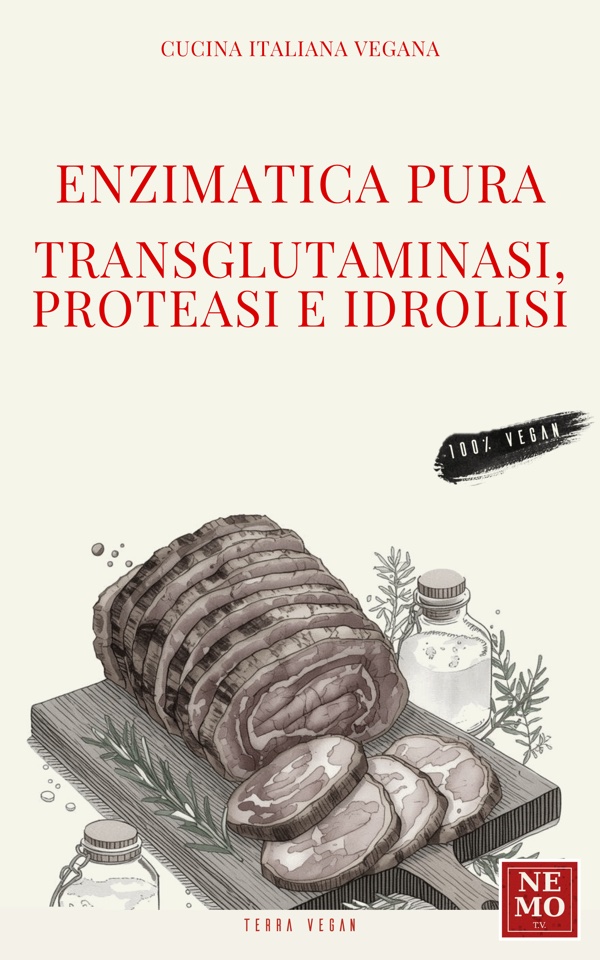
Vol. 17 · Enzimatica Pura: Transglutaminasi, Proteasi e Idrolisi
Uno sguardo dettagliato e guidato dalla scienza nel mondo della cucina vegana. L'autore riesce benissimo a precisare le reazioni e gli usi di enzimi specifici nella cucina vegana, invece degli enzimi casuali che si ottengono usando il koji. Questa conoscenza è preziosissima, perché mostra la cura e l'attenzione al dettaglio che la cucina vegana moderna richiede per produrre queste ricette gustose e saporite.
Il libro offre approfondimenti accurati sugli enzimi specifici usati in questo tipo di cucina e, più in particolare, sui parametri da rispettare quando li si sviluppa. Va anche più a fondo sulle applicazioni pratiche di questi enzimi nelle ricette dei libri precedenti, e tocca tutto, dal dosaggio e dall'elasticità alla conservazione e al modo di usare altri prodotti insieme a questi enzimi.
Profondamente scientifico, coinvolgente e acuto, «Pure Enzymes» di Nemo è un ricettario di saggistica sulla cucina vegana da leggere assolutamente. La conoscenza e la concretezza che l'autore porta nel parlare degli enzimi, dei loro diversi tipi e del procedimento passo per passo per dare vita a questi ingredienti rendono lo studio della cucina vegana ordinato e affascinante.
Testo originale inglese
This was a detailed, scientifically driven look into the world of vegan cooking. The Author does a fantastic job specifying the reactions and uses of specific enzymes in vegan cooking, rather than the random enzymes found through the use of Koji. This knowledge is invaluable, as it highlights the care and attention to detail modern vegan cooking requires to produce these delicious, flavorful recipes.
The book offers deep insights into the specific enzymes used in this type of cooking, and more specifically, the parameters that must be met when developing them. The book also offers deeper insights into the practical applications of these enzymes in the recipes found in previous books, and touches upon everything from dosage and elasticity to storage and how to utilize other products with these enzymes.
Deeply scientific, engaging, and insightful, Author Nemo’s “Pure Enzymes” is a must-read non-fiction cookbook for vegan cuisine. The knowledge and practicality the author brings to discussing enzymes, the different types of enzymes, and the step-by-step process for bringing these ingredients to life make learning vegan cuisine structured and fascinating.
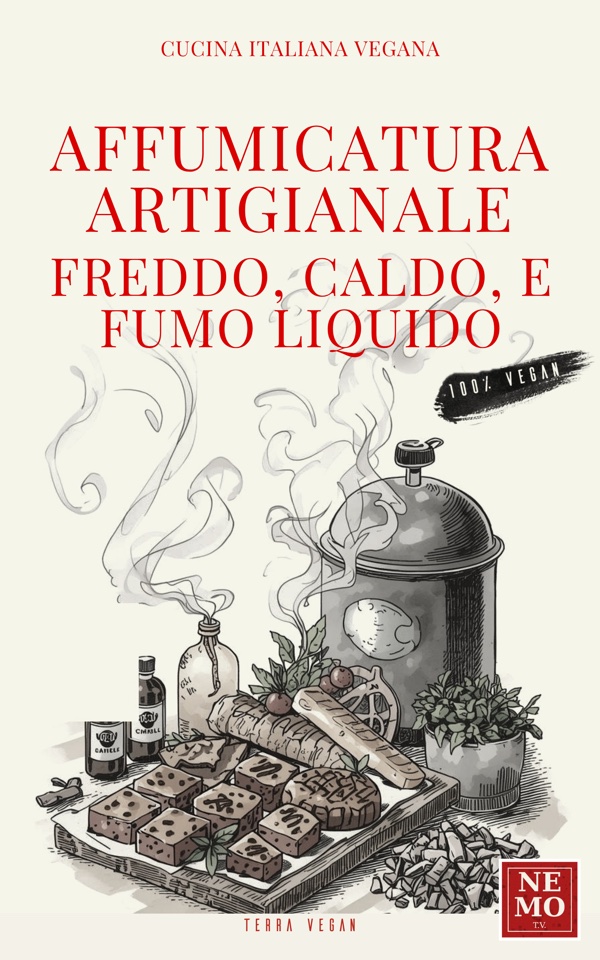
Vol. 18 · Affumicatura Artigianale: Freddo, Caldo e Fumo Liquido
Questo libro offre uno sguardo affascinante e originale su un metodo di cottura potente per la cucina vegana. Il modo in cui il libro si addentra nella storia e nelle proprietà particolari che l'affumicatura può dare al cibo è avvincente da leggere, e permette al lettore di capire perché gli chef usino così spesso l'affumicatore quando cuociono carni e altri prodotti. Il livello di dettaglio dell'autore è sorprendente: non solo esplora quella storia, ma dedica capitoli alle proprietà del fumo stesso, ai vari tipi di legno usati per affumicare e al loro effetto sul cibo.
A bilanciare quei capitoli c'è uno studio approfondito su come costruirsi in casa un affumicatore entro i parametri necessari sia per l'affumicatura a freddo sia per quella a caldo. Capire come funziona l'affumicatore e come i non salumi vegani e i formaggi stagionati assorbiranno quelle note affumicate permette al lettore di dare alle ricette vegane dei capitoli precedenti un carattere affumicato impossibile da ignorare.
Acuto, competente e coinvolgente, «Artisanal Smoking» di Nemo è un ricettario vegano di saggistica da leggere assolutamente. La profondità con cui l'autore affronta l'arte di affumicare carni e formaggi, e i vari tipi di legno e di affumicatori che danno vita a questi sapori particolari nei prodotti stessi, spingeranno i lettori ad approfondire la cucina vegana e a consultare questo libro molte volte.
Testo originale inglese
This book offers fascinating, unique insight into a powerful cooking method for vegan cuisine. Delving into the history and unique properties that smoking can have on food was fascinating to read about and allowed the reader to understand why chefs use smokers so often when cooking meats and other products. The level of detail the author goes into is astounding; they not only explore that history, but also spend chapters examining the properties of smoke itself, the various types of wood used for smoking, and how they affect the food being cooked.
Balancing out those chapters is an in-depth study of building a smoker for your home within the parameters you need for both cold and hot foods when smoking. Understanding how the smoker works and how non-cold cut vegan meats and aged cheeses will take on those smoky properties allows the reader to be able to infuse their vegan recipes from previous chapters with a smoky quality that is impossible to ignore.
Insightful, knowledgeable, and engaging, Author Nemo‘s “Artisanal Smoking” is a must-read non-fiction vegan cookbook. The depth of study the author brings to the art of smoking meats and cheeses, and the various types of wood and smokers that can bring these unique flavors to life in the products themselves, will keep readers learning about vegan cuisine and referencing this book time and time again.
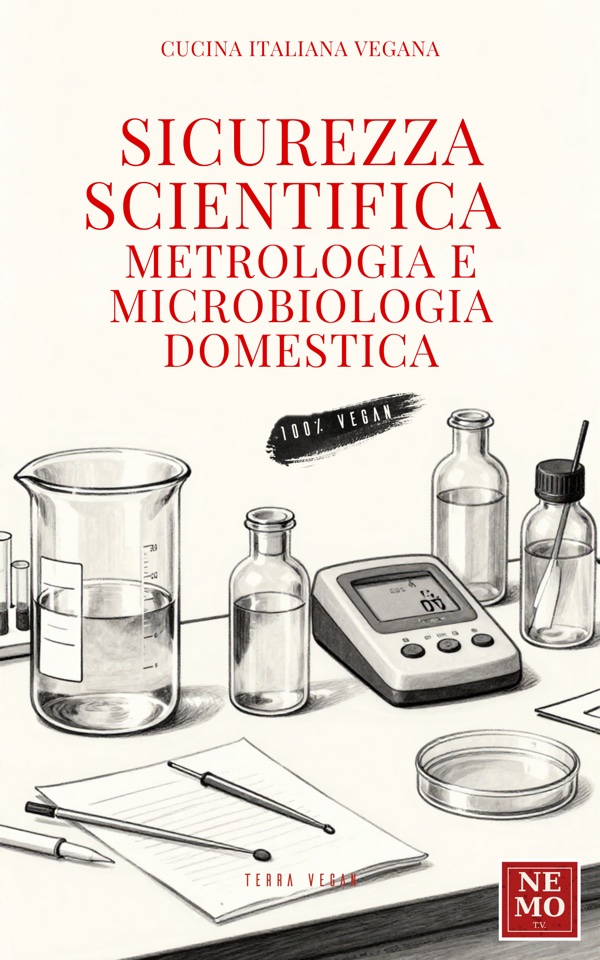
Vol. 19 · Sicurezza Scientifica: Metrologia e Microbiologia Domestica
Un aspetto dei ricettari che si tocca di rado, e che questo libro tratta benissimo, è l'attenzione al procedimento e alla necessità di capire la sicurezza in cucina. Non è fondamentale solo la sicurezza con le varie attrezzature: è altrettanto importante assicurarsi che il cibo che si consuma sia sicuro da mangiare, e quando si preparano formaggi vegani e altre ricette è decisivo capire che i parametri giusti per la loro preparazione vanno seguiti alla lettera, perché il prodotto finale sia abbastanza sicuro da consumare.
L'autore usa questo libro per spiegare la necessità della sicurezza alimentare e come la si misura. Per il pH e per la ritenzione d'acqua, l'autore spiega come misurarli correttamente mentre si cucina, che cosa cercare quando si controllano questi prodotti, gli strumenti adatti per verificare la sicurezza di questi alimenti e infine i protocolli da seguire, divisi per tipo di alimento, dai fermentati nelle carni e nei formaggi vegani alle salse e molto altro.
Convincente, acuto e coinvolgente, «Scientific Safety» di Nemo è un ricettario vegano di saggistica da leggere assolutamente. La ricchezza di dettagli e le conoscenze che i lettori ricavano dal lavoro dell'autore sulla sicurezza alimentare sono impressionanti. La sicurezza è fondamentale, e il libro aiuta chi si avvicina alla cucina vegana a capire che cosa c'è dentro questi prodotti e come si misura la sicurezza quando si mettono a punto queste ricette.
Testo originale inglese
One aspect of cookbooks that people rarely touch upon that this one does a great job of, is honing in on the process and the need to understand safety in the kitchen. Not only is safety with various cooking equipment vital, but making sure the food that is consumed is safe to eat is equally important, and when developing vegan cheeses and other recipes, it is so crucial to understand that the proper parameters surrounding the development of these foods need to be followed to the letter so that the final product is safe enough to consume.
The author uses this book to break down the need for food safety and how that safety is measured. Measuring both pH levels and water retention, the author breaks down how each of these is properly measured by you as you cook, what you need to look for when testing these products, the proper tools that need to be utilized to test the safety of these foods, and finally the protocols that need to be followed, broken down by food type, from fermented foods in vegan meats and cheeses to sauces and so much more.
Compelling, insightful, and engaging, Author Nemo’s “Scientific Safety” is a must-read non-fiction vegan cookbook. The detail and knowledge readers gain from the author’s work on food safety in this book are impressive. Safety is vital, and it helps newcomers to vegan cooking understand what goes into these products and how safety is measured when developing these recipes.
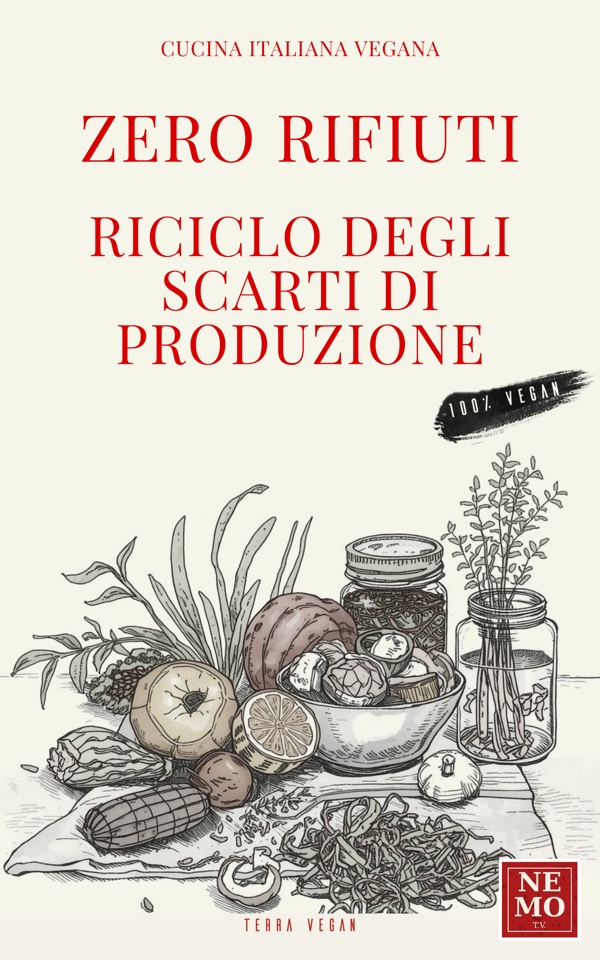
Vol. 20 · Zero Rifiuti: Riciclo degli Scarti di Produzione
Un altro volume straordinario della serie di ricettari vegani: l'autore coglie alla perfezione la necessità di far sì che ogni briciola dei prodotti usati venga davvero utilizzata. Il libro mette in evidenza la necessità di individuare gli scarti dei materiali e dei procedimenti dei libri precedenti, come l'uso del koji e dei fermentati, e di trovare impieghi per quegli scarti in altri ambiti. La scrittura diretta dell'autore permette al lettore di guardare al procedimento in modo scientifico, sentendo al tempo stesso la passione e il rispetto per la Terra e per la natura da cui questi prodotti provengono, e questo aiuta il lettore ad apprezzarli di più.
È stato bello veder prendere vita sulla pagina l'equilibrio che l'autore ha trovato dopo aver individuato dove si formano gli scarti. Alcuni si possono riutilizzare in altre tecniche di preparazione e perfino in ricette, a cui sono dedicati interi capitoli; altri possono diventare fertilizzante o altro materiale che aiuta a far crescere e a riconvertire questi prodotti per ottenerne di nuovi, in una sorta di ciclo della vita che mostra come ogni cosa abbia uno scopo.
Meditato, memorabile e coinvolgente, «Zero Waste» di Nemo è un volume di questa serie di ricettari vegani da leggere assolutamente. I lettori interessati alla cucina vegana e ai procedimenti scientifici con cui si realizzano queste ricette, come pure chi ama la saggistica in generale, resteranno affascinati e coinvolti dal lavoro dell'autore, e vedranno come i volumi precedenti della serie si uniscano per mostrare che nulla di ciò che viene creato o prodotto ha bisogno di andare sprecato.
Testo originale inglese
Another fantastic entry in the vegan cookbook series, the author perfectly captures the need to make every ounce of the products used feel like it’s actually being used. The book highlights the need to identify waste from the materials and processes in previous books, such as the use of Koji and fermented items, and to find uses for that waste in other areas. The author’s straightforward writing lets the reader view the process scientifically while also feeling the passion and respect for the Earth and nature from which these products come, which helps the reader appreciate these items more.
The balance the Author found after identifying where this could be found was great to see come to life on the page. Well, some ways can be repurposed and utilized in other preparation techniques and even recipes for which there are entire chapters dedicated to it, in other ways, this way can be used as fertilizer or other material to help grow and repurpose these products to make new products, highlighting a circle-of-life moment that shows everything has a purpose.
Thoughtful, memorable, and engaging, Author Nemo‘s “Zero Waste” is a must-read entry in this vegan cookbook series. Readers with an interest in vegan cooking and learning the scientific processes for making these recipes, as well as readers who enjoy non-fiction books as a whole, will be fascinated and invested in the author’s work and will see how the previous entries in the series all come together to highlight how nothing created or formed needs to be wasted.
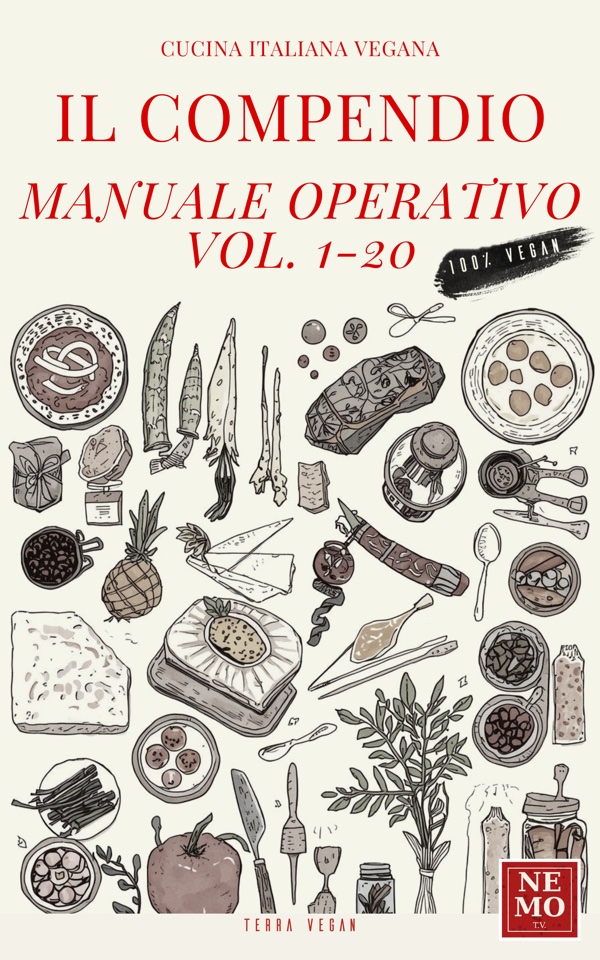
Vol. 21 · Il Compendio: Manuale operativo Vol. 1-20
È la guida di riferimento definitiva e il volume di accompagnamento per mettere in pratica le lezioni e le ricette dei 20 volumi precedenti. L'autore spiega che, invece di riunire i libri precedenti in un'unica guida con tutta la storia e le spiegazioni che contenevano, il libro divide i capitoli per famiglia di prodotti e non per volume di provenienza.
Così i lettori possono scegliere in base al punto in cui si trovano nella loro cucina vegana e a come vogliono affrontare i diversi argomenti. I rimandi ai rifiuti zero del libro precedente sono disseminati in ogni capitolo, per mostrare come ogni famiglia di prodotti usi gli scarti che produce. Esplorando le famiglie di prodotti, come i non salumi, e mettendo in luce tutto, dalla costruzione di una camera di stagionatura alla base di riso e Aspergillus oryzae conosciuta come koji e alle ricette toccate nei libri precedenti, i lettori possono vedere davvero l'intero percorso di produzione da seguire per dare vita a queste ricette.
Convincente, interessante e coinvolgente, «The Compendium» di Nemo è un volume di questa serie di cucina vegana da leggere assolutamente. Come guida di riferimento definitiva ai volumi dall'1 al 20 di questa serie di ricettari vegani, offre ai lettori un procedimento approfondito e minuzioso per dare vita a questi ingredienti, a queste ricette e a questi strumenti nella propria cucina.
Testo originale inglese
This is the ultimate reference guide and companion book for putting the lessons and recipes from the previous 20 volumes to work. The author notes that instead of repurposing previous books into a single guide with all the history and explanations those books included, the book divides chapters by product family rather than by the volumes they come from.
This lets readers pick and choose based on where they are in their vegan cooking and how they want to approach different topics. The references to zero waste in the last book are peppered throughout each chapter to show how each product family uses the waste it produces. By exploring product families, such as non-cold cuts, and highlighting everything from the building of a curing chamber to the rice and Aspergillus oryzae base known as Koji and the recipes previous books touched upon, readers are able to really see the full path of production they need to take in order to make these recipes come to life.
Compelling, interesting, and engaging, Author Nemo’s “The Compendium” is a must-read entry in this vegan cooking series. As the ultimate reference guide to volumes 1 through 20 of this vegan cookbook series, it gives readers an in-depth, meticulous process for bringing these ingredients, recipes, and tools to life in their own kitchens.